By Yang Xiaotong Researcher at the Horizon Insights Centre.
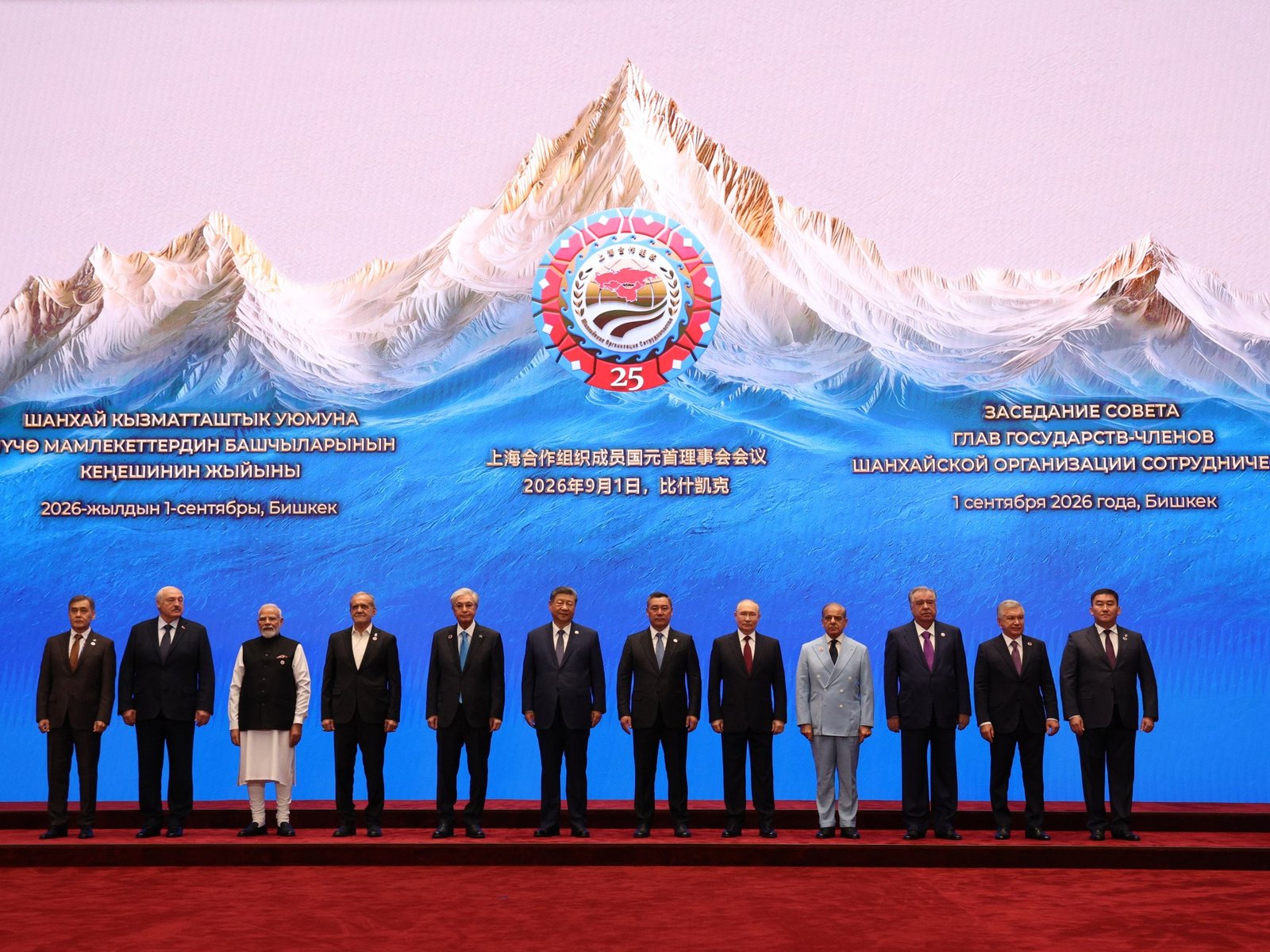
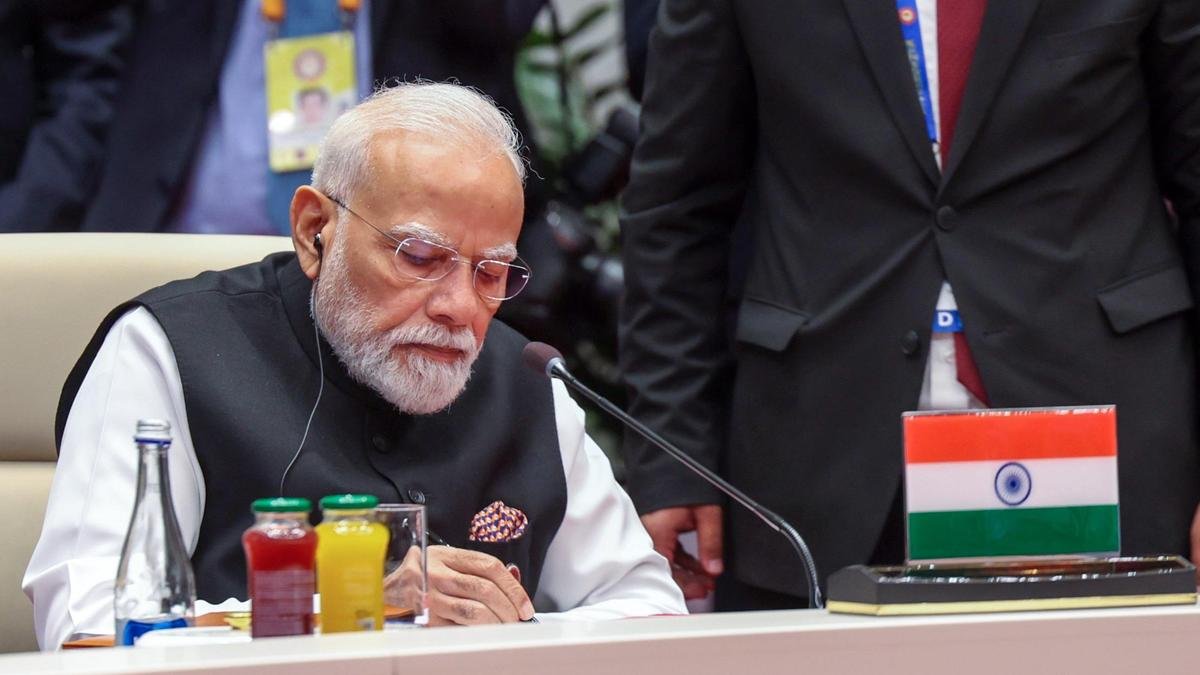
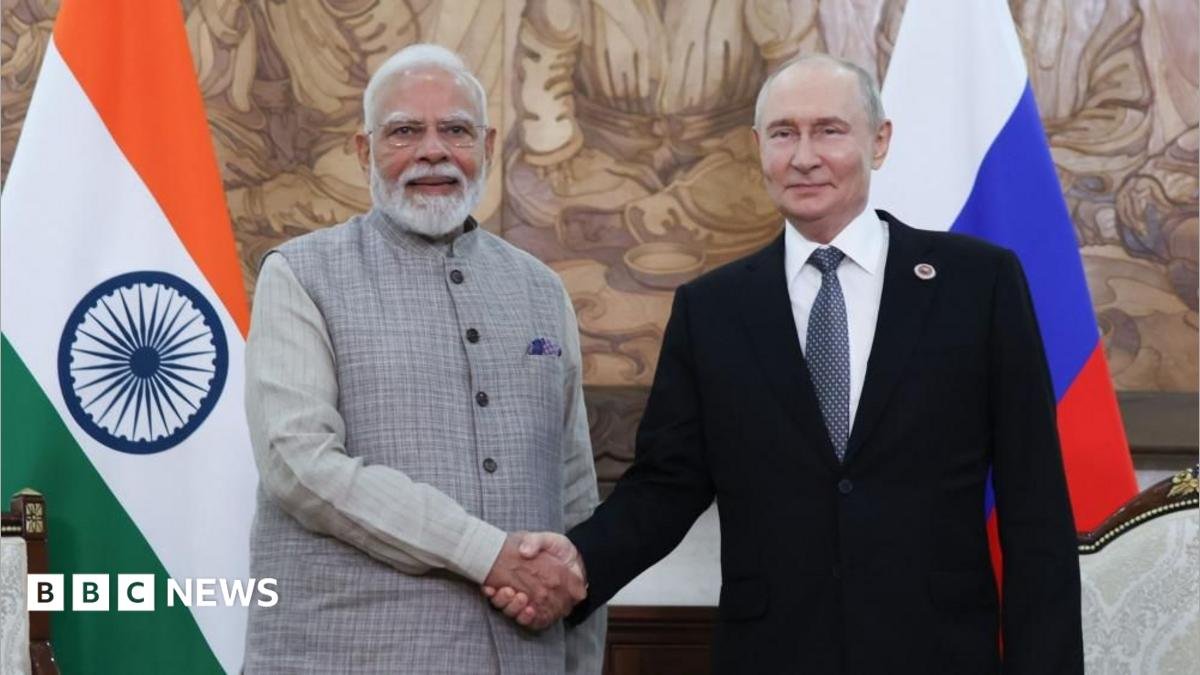
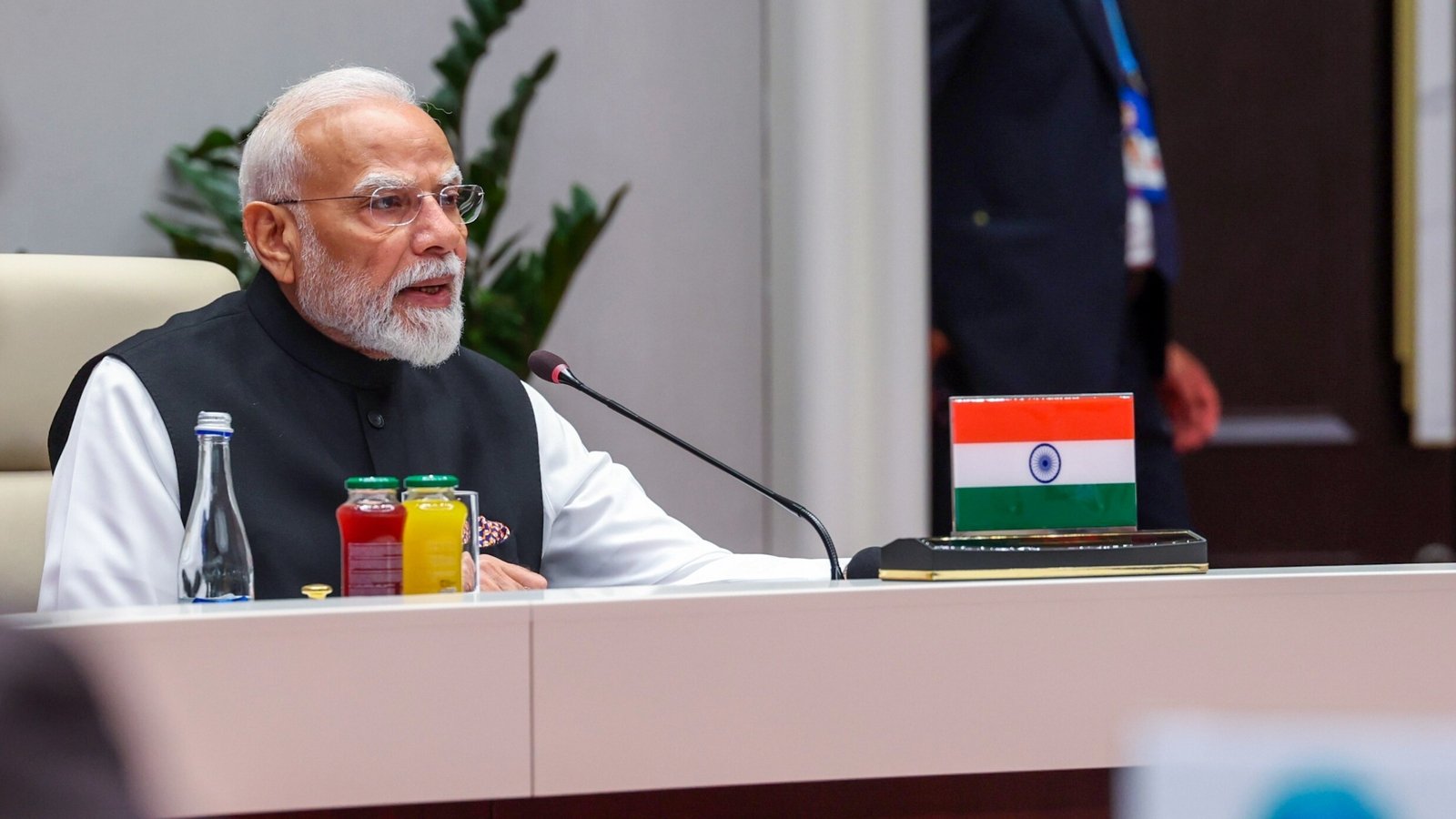
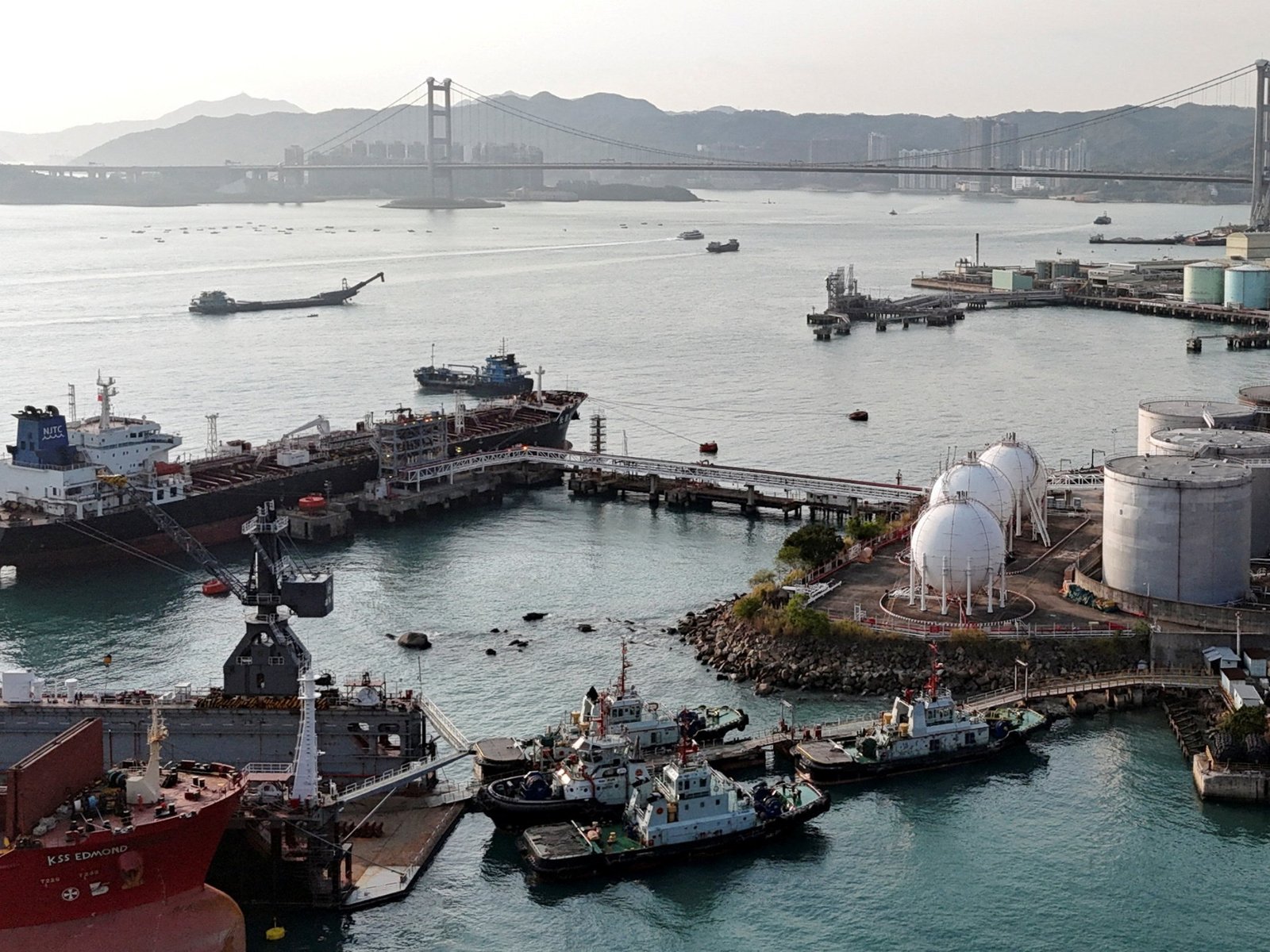
A drone view shows a Chinese-flagged oil tanker moored at an oil terminal at Tsing Yi port, with Tsing Ma bridge in the background, in Hong Kong, China on March 19, 2026 [Joyce Zhou/Reuters] On August 31, the leaders of China, Russia and India met in Bishkek for the annual summit of the Shanghai Cooperation Organization.
Iranian President Masoud Pezeshkian was also in attendance.
The final declaration of the summit issued on September 1 called for the creation of a new development bank, which in Russian President Vladimir Putin’s words would have “maximum independence from the financial systems of the states which weaponize economic tools in order to obtain unilateral advantages in international affairs” The summit was held just a week after the United States announced the latest package of sanctions against Iran, which instead of isolation, enjoyed a warm welcome in Bishkek.
As the SCO gathering demonstrated, Washington is already facing major difficulties in ensuring international compliance with its sanctions.
Perhaps its biggest challenger is China.
Beijing is once again standing by Iran – not out of moral or ideological motivations, but because it can and because it is in its interest.
Toothless sanctions By purchasing 90 percent of Iranian oil exports, China has single-handedly kept the Iranian economy afloat – all while evading the US sanctions through a sophisticated network of “dark fleets” (ships used to obfuscate the Iranian origin of their cargo) and “teapot” refineries (private refineries so dubbed for their relatively modest size).
In response to Washington’s “with us or against us” ultimatum on the sanctions, the Chinese foreign ministry spokesperson said that “China will do everything necessary to firmly safeguard its rights and interests”.
Having fought several trade wars with the US to a standstill, China has developed a high tolerance for US-inflicted economic pain – and an equally low tolerance for being pushed around.
Advertisement For Beijing, foreign interference in bilateral trade relations with a third country is not acceptable.
More importantly, it views Washington’s threat as toothless – and for good reason.
China is well insulated from the US’ Iran-related secondary sanctions.
Chinese banks and companies that do business with Iran often do so exclusively, settling transactions in renminbi or through barter – making them effectively immune to US extraterritorial jurisdiction.
Meanwhile, the handful of Chinese companies that still settle transactions in US dollars are hidden beneath layers of shell companies that can be discarded at little to no cost.
This forces Washington into an endless game of regulatory whack-a-mole, in which each entity successfully eliminated is quickly replaced by another.
Washington could, of course, sanction major Chinese banks and companies that have no ties with Iran – using them as a bargaining chip to pressure Beijing to rein in those that do.
Doing so, however, would invite Beijing to retaliate in kind.
With the US economy already strained by the war with Iran and the midterms just around the corner, picking a fight with China is the last thing the US needs.
Iran must not lose Toothless US sanctions aside, China has another motive for standing by Iran’s side: its defeat could be costly for Chinese geopolitical and economic interests.
From Beijing’s perspective, should Iran lose, the entire Middle East would gravitate back into the US orbit.
Regional countries currently exploring alternative security partners would have little choice but to seek refuge once more under the US security umbrella.
Such a shift would not only deal a heavy blow to China’s growing influence in the region but also complicate future cooperation on advanced technologies, including 5G, artificial intelligence, and defence.
Worse still, China’s energy interests could be threatened.
The country sources 40 percent of its oil imports from the Gulf, with Iran accounting for 10 percent.
With such a significant chunk of oil imports originating from countries under US influence, China’s economic lifeline would effectively lie in US hands.
A victory in Iran would also embolden Washington to continue its pursuit of regime-change in other countries that have close ties with Beijing.
This would make it increasingly difficult for China to protect its interests overseas, as was the case when Panama seized two Chinese-operated ports under US pressure.
China’s caution That said, China does not see itself in a tight alliance with Iran – hence its reluctance to ramp up support.
Advertisement It is worried that a total victory for Iran would enable its regional hegemony, driving yet another wedge in the already strained relationship with the Gulf states, and further undermining years of Chinese diplomatic efforts aimed at bridging that divide.
Therefore, Beijing is maintaining a calibrated distance from Tehran – not too hot, not too cold, but just right.
The fact that Pezeshkian is yet to be invited to Beijing makes it clear the Chinese authorities are not eager for a tight embrace.
This was apparent at the SCO summit as well.
The Chinese leader met with his Russian and Indian counterparts, but did not have a formal meeting with Pezeshkian.
There were formal consultations at the level of foreign ministers.
The message is subtle yet unmistakable: Though Beijing values the relationship, it is keeping its distance.
Balance with Washington When considering the China-Iran relationship, it’s important to remember that relations with the US, although often fraught by rivalry, are very important for Beijing.
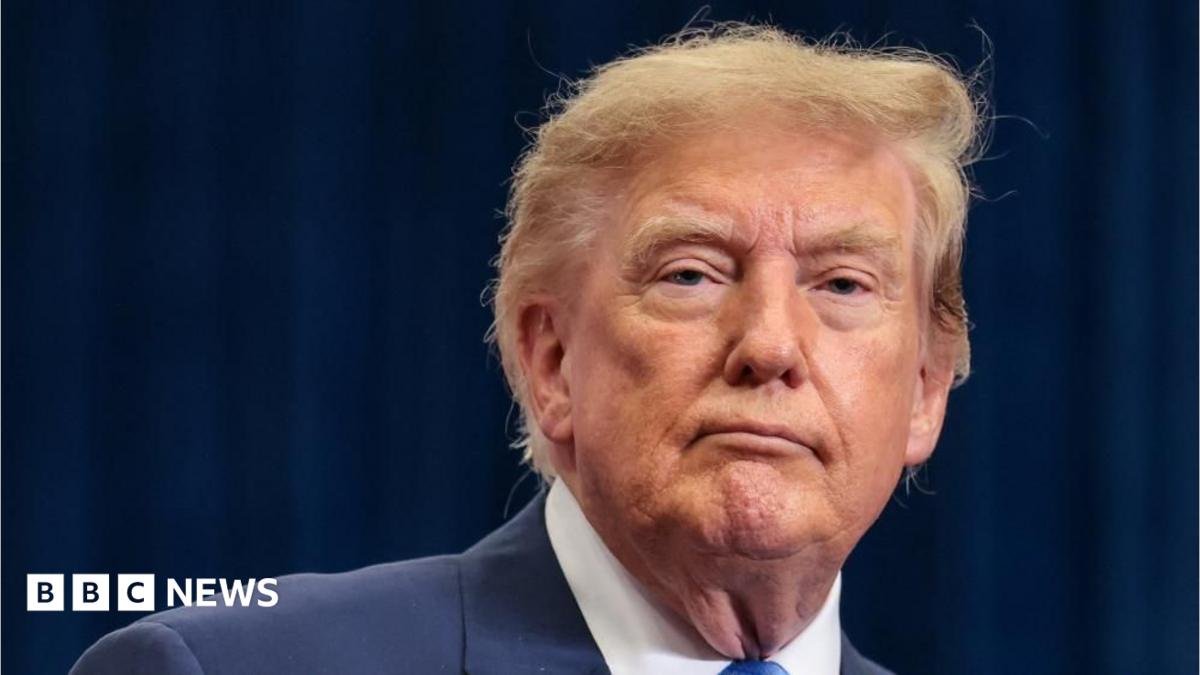
Resetting of China-US relations takes priority, which is why two high-level summits are taking place this year: The first one was US President Donald Trump’s visit to Beijing in May, and the second is Xi’s trip to Washington later this month.
During Trump’s visit to China this May, he and Xi announced that the two countries had agreed on building a “constructive China-US relationship of strategic stability” – one where cooperation takes centre stage, competition is kept within bounds and never descends into zero-sum games, and war is to be avoided at all cost.
In this context, providing too much support to Iran would be counterproductive – which is why Beijing has stayed out of the war and has pledged not to arm Iran.
This is clearly appreciated in Washington.
In June, Trump thanked China publicly for remaining “totally neutral”.
At the same time the Trump administration is well aware of China’s economic interest in Iran and was likely not surprised to hear its position on the new sanctions.
The only way out of this self-inflicted predicament is for Washington to shed its hegemonic mindset and return to the negotiating table – anything less will only prolong the misery – both for itself, and for the world at large.
The views expressed in this article are the author’s own and do not necessarily reflect Al Jazeera’s editorial stance.