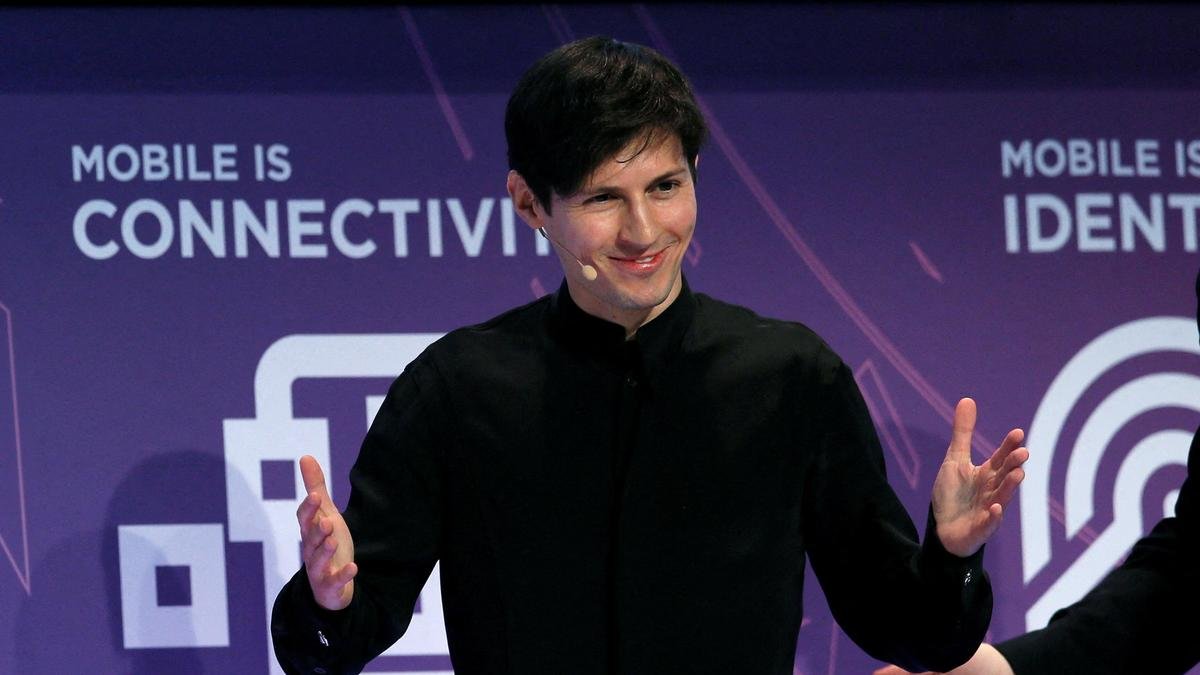
Russia on Wednesday (July 29, 2026) announced that it was seeking the arrest of Pavel Durov, founder and CEO of messaging platform Telegram, accusing him of “complicity in terrorism” and launching international search proceedings for the Russian-born who is currently living in Dubai.
The move comes just two months before the first election to the State Duma, the Lower House of Russian Parliament, since its invasion of Ukraine in 2022 and the subsequent ongoing war.
Many consider the electoral period to be a source of unexpected public mobilisation over accumulated dissatisfaction, which could well be the case after more than four years of war.
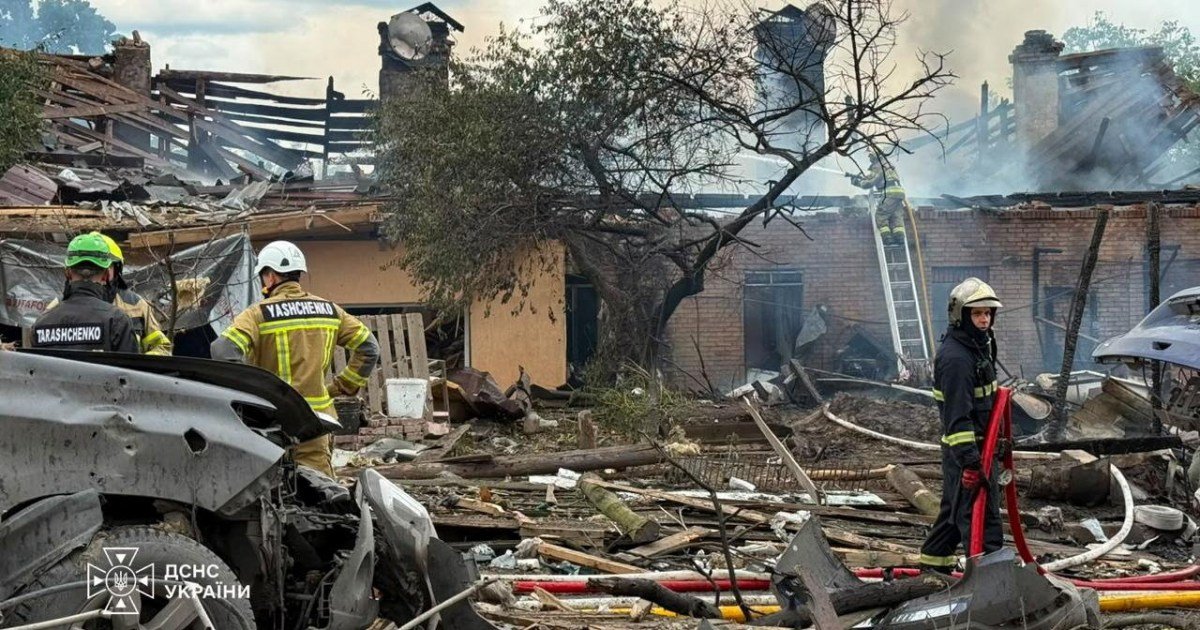
Russia’s Federal Security Service (FSB) has accused Telegram of enabling Ukrainian groups to recruit Russians for acts of sabotage within the country.
If arrested and convicted, Mr.
Durov could be imprisoned for life.
Pavel Durov | The prophet of privacy What are the charges against Mr.
Durov?
The international wanted notice against Mr.
Durov comes after the FSB said that Telegram had failed to remove “numerous channels, chats, and bots” allegedly used by “Ukrainian intelligence agencies and terrorist and extremist organisations” to prepare and coordinate acts of “sabotage and terrorism, mass murder, and cyber fraud” in Russia.
Mr.
Durov has been charged as part of an ongoing criminal investigation under Article 205.1 of the Russian Criminal Code (Facilitating Terrorist Activities), according to Russia’s state media TASS.
Article 205.1 establishes liability for inciting, recruiting, or otherwise involving a person in the commission of at least one terrorist offense.
The FSB noted that, since 2022, 1,53,000 crimes committed using Telegram had been recorded in Russia, including the terrorist attack at Crocus City Hall in Moscow and the murders of nine high-ranking defence officials.
It also said that more than 1,50,000 requests demanding the removal of illegal content were sent to Telegram in the last few years, but these were ignored.
Telegram CEO Durov’s allegation on Reliance role in access disruption needs evidence What is the digital atmosphere in Russia?
Under President Vladimir Putin, Russia has maintained a tight grip on Internet access with major platforms like Facebook and YouTube being banned and messaging platforms like WhatsApp and Telegram being restricted.
However, Telegram remains one of the main communication platforms in Russia over unencrypted state-backed alternatives which critics flag as a possible surveillance tool.
After the war began in 2022, Russia and Ukraine have accused each other of using social media to organise acts of sabotage in violation of territorial sovereignty, allegations denied by both countries.
Despite the allegations and restrictions, Russian officials continue to use Telegram and Kremlin’s page in the platform had nearly 3 lakh followers as of Wednesday.
Telegram | Mass messaging and more What are other legal issues faced by Mr.
As the CEO of a platform that allows group chats with as many as 2 lakh people with provisions for broadcasting messages that could easily be exploited, Mr.
Durov has come under the scrutiny of several law enforcement agencies.
While he cannot be held directly accountable for contents in the platform, the lack of content moderation in Telegram enabling potential use of the platform in money laundering, drug trafficking, and circulation of sexual exploitation materials has been called out in several countries.
Many governments have also criticised Telegram for not sharing information about suspected bad actors when required by law.
In August 2024, French authorities arrested Mr.
Durov over allegations of his platform being used for illegal activities, but he was released on bail after questioning.
Putin had criticised the action at that time, calling out the “selective” nature of French authorities, and noting that several countries, including Russia, had raised concerns about bad actors using Telegram.
“All platforms are kind of guilty of this”, Mr.
Putin had said then, highlighting that platforms are not liable for actions of users.
Durov has returned to Dubai after French authorities lifted a travel ban imposed on him following the arrest.
But after the Russian move seeking his arrest, French authorities have clarified that Mr.
Durov remains under formal investigation and is facing an array of potential charges.
What lies forward for Mr.
Durov has always treaded a fine line, blurring the margins between freedom of expression and law enforcement.
While the revered figure of free-speech activists, who has based his platform on his own saying that “Privacy, ultimately, is more important than our fear of bad things happening”, has not responded to the charges, shortly after they were announced, Telegram’s official X handle posted an image of Mr.
Durov with an offensive gesture of disrespect.
While Mr.
Durov is less likely to face any prosecution as of now, Russian lawyers have not ruled out the possibility of him being arrested in absentia on Russian territory, which would enable law enforcement agencies to move for an extradition.
Russia has a history of crackdown on political dissidents, the likes of late Alexei Navalny.
State-aligned companies in Russia currently hold major stakes in Mr.
Durov’s initial social media venture, Vkonakte, and the state would be interested in doing the same for the popular messaging platform as well ahead of sensitive elections.