Bhutan has become the first country in the World Health Organization’s South-East Asia Region to eliminate dog-transmitted rabies as a public health problem.
The WHO, on Saturday, validated Bhutan’s achievement.
The mountain kingdom’s last rabies death was in June 2023.
Rabies burden Rabies is a viral disease that is almost always fatal if clinical symptoms appear.
It is estimated that rabies still claims the lives of approximately 59,000 people each year, with a third of these fatalities occurring in India, where it remains a huge problem with local bodies failing at animal birth control and vaccination programmes.
The disease is endemic throughout the country except for the Andaman and Nicobar and Lakshadweep Islands, and cases are reported from all over the country, the year round.
About 96% of the mortality and morbidity is associated with dog bites.The National Rabies Control Programme aims to reduce mortality from rabies among human beings and progressively achieve the target of bringing rabies deaths to zero by 2030.
In a message shared on the WHO website, its Director-General Tedros Adhanom Ghebreyesus congratulated Bhutan ‘which is another step towards our goal to end human deaths from dog-transmitted rabies by 2030.’ He further noted the interventions that made the success possible: “Bhutan’s success shows that the health of humans, animals and the environment we share is inextricably linked.
By uniting health workers, veterinarians, and communities, Bhutan has shown that the fight against rabies is won not in silos, but through solidarity across all sectors.” WHO validation recognises that a country has eliminated dog-transmitted human rabies and consequently through the absence of human deaths from the disease for at least two years, while demonstrating the capacity to prevent transmission from re-emerging.
This criterion was set out by the WHO Expert Consultation on Rabies in 2018.
Why are deaths occurring despite rabies vaccine?
Doctors stress strict adherence to prevention and treatment steps Preventing transmission Rabies deaths are preventable.
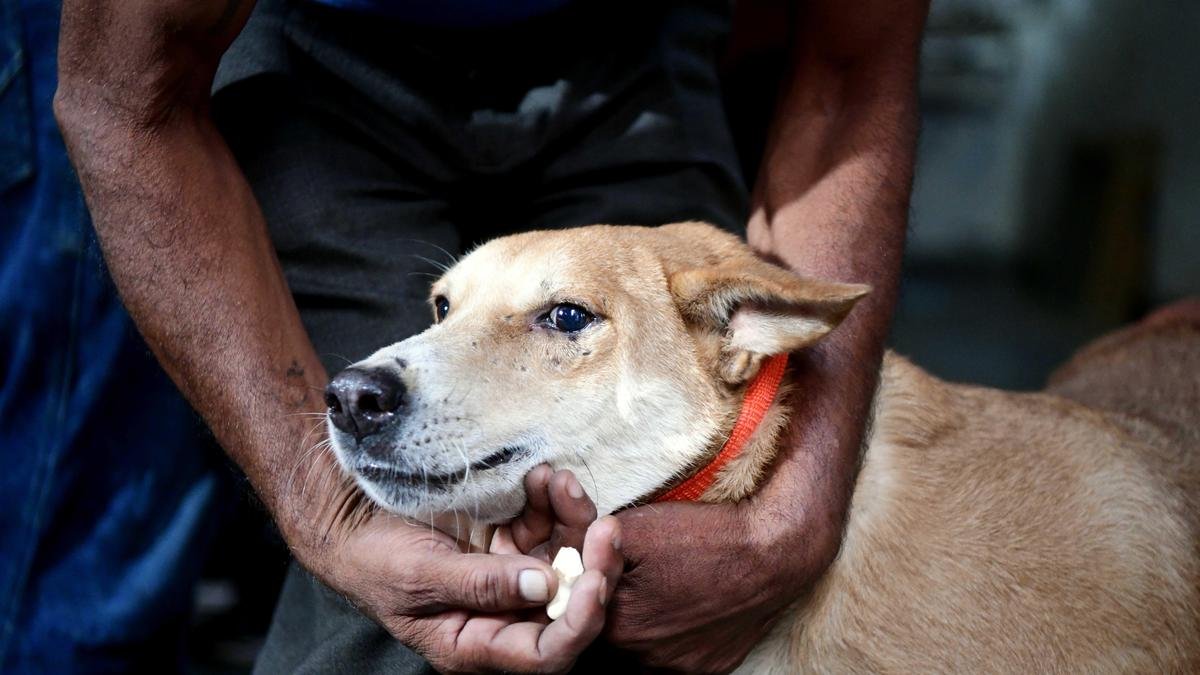
A two-pronged strategy is advocated globally- vaccinating dogs to curb the disease at source, and using post exposure prophylaxis (PEP) after a bite.
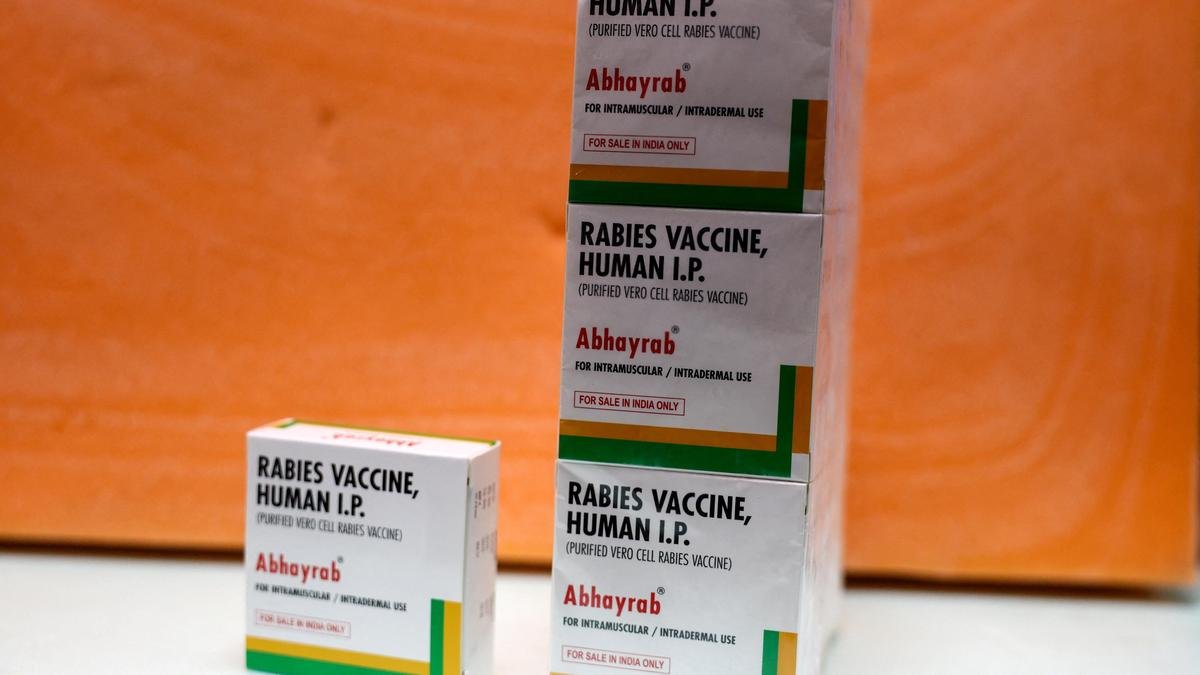
PEP consists of thoroughly washing the bite area with water and soap, administering a full course of human rabies vaccine and, whenever necessary, rabies immunoglobulins.
The WHO attributes the One Health approach, or the firm belief that human and animal health are intrinsically like to ecosystems, to Bhutan’s success story.
“Through this approach, Bhutan has prioritised resource allocation, integrated surveillance, and strategic planning,” a WHO statement has recorded.
When a suspected rabies case is reported, animal and human health authorities collaborate to identify potential exposures and conduct joint field investigations under the One Health framework.
Nilesh Buddha, Officer-in-Charge, WHO South-East Asia Region, complimented the country: “The dedication of health workers, veterinary professionals and De-suung volunteers known as ‘Guardians of Peace’ helped take dog vaccination, population management and community awareness to every part of the country.” In Focus podcast | Why does rabies still kill so many in India?
Sustaining rabies control A strong collaboration was initiated between the Ministries of Health and the Agriculture and Livestock, together with partners, local governments and communities, united through a One Health approach, Bhutan’s health ministry sources explained.
Continued access to PEP, mass dog vaccination, dog population management, community engagement and strengthened surveillance marked the country’s programme.
Bhutan will reportedly continue to maintain the systems that underpin this achievement.
Its Nationwide Accelerated Dog Population Management and Rabies Control Programme will be sustained with the same vigour, according to the WHO.
Cross-border coordination with adjacent Indian states will be further strengthened to safeguard this success in rabies control.