“Is this normal?” is often the first question women turn to the internet with when something about their health feels different. A persistent pelvic ache, unusually heavy period or new breast change can quickly lead down a rabbit hole of social media posts and search results, each offering a different explanation. One says it is hormones, another blames stress, while others point to PCOS or even cancer. But while the internet can help women recognise symptoms, it cannot tell them what those symptoms mean because symptoms do not come with a diagnosis attached.
In a conversation with HT Lifestyle, Dr Bimalpreet Mohan – the director, chief radiologist and women’s health expert at Capital Health Clinic in Hauz Khas, New Delhi – highlights, “Social media has certainly encouraged women to talk more openly about symptoms that were earlier ignored or discussed only privately. But recognising your symptoms in someone else’s post does not mean you have the same condition. When a symptom is persistent or unusual for you, it is better to investigate it rather than rely on online reassurance.”

She breaks down seven common women’s health symptoms, explaining what they could indicate and when they may warrant a closer look.
Pelvic pain that keeps coming back
Not every pelvic ache is a cause for alarm, but recurrent or persistent pain – especially when it is unrelated to periods – should not be brushed aside. Dr Mohan explains, “Fibroids, ovarian cysts, endometriosis, pelvic infections and other conditions can present with similar complaints. Depending on the symptoms, an ultrasound or other imaging may help identify the cause.”
A period that suddenly becomes very different
A heavier-than-usual period once may not mean anything serious. However, according to the radiologist, repeated heavy bleeding, bleeding between periods, unusually frequent cycles or bleeding after menopause needs medical attention. Hormonal changes can be responsible, but structural problems such as fibroids or polyps may also need to be ruled out.
A new breast lump or persistent breast change
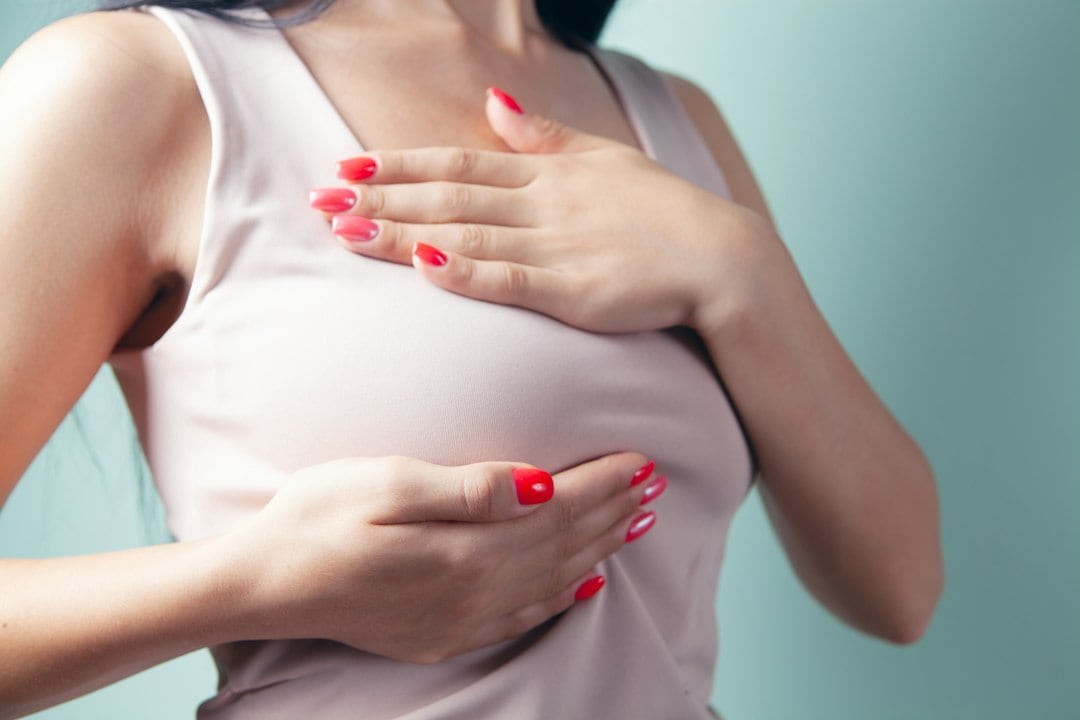
Breast lumps can have several causes, including benign ones. However, a new lump, persistent focal pain, nipple discharge or a visible change in the breast should not be self-diagnosed through social media.
“Breast symptoms should neither be ignored nor automatically assumed to be cancer. The woman’s age, symptoms and clinical findings determine whether an ultrasound, mammogram or another investigation is appropriate. Imaging can help distinguish between different possibilities instead of leaving the woman guessing,” explains Dr Mohan.
Bloating that won’t go away
Everyone experiences bloating occasionally. What deserves attention is bloating that becomes persistent, keeps returning without an obvious trigger or occurs along with pelvic pain, appetite changes, bowel changes or unexplained weight loss. Instead of endlessly changing diets based on internet advice, the radiologist recommends consulting a doctor if the symptoms are persistent.
Pain during sex
This is one symptom women often normalise or avoid discussing altogether. However, Dr Mohan emphasises, “Recurrent pain during intercourse can be linked to vaginal dryness, infections, hormonal changes, endometriosis or other pelvic conditions. It is not something a woman should simply learn to tolerate.”
Unexplained or recurring pain
A pain that repeatedly returns in the abdomen, pelvis, back or breast deserves a closer look if there is no clear explanation. Dr Mohan notes, “I see many patients in my OPD who tell me they searched their symptoms on Google or ChatGPT and started taking a painkiller based on what they found online. While a painkiller may provide temporary relief, it can also make you overlook the underlying cause of recurring pain. If the pain keeps coming back, it is important to find out why rather than simply treating it each time with a tablet.”
Any new bleeding after menopause
The radiologist highlights, “This is one symptom women should not attribute to ageing. Even a small amount of vaginal bleeding after menopause warrants medical evaluation. The cause may be benign, but it needs to be established rather than guessed.”
The social media symptom trap
The biggest problem with health content online is not awareness – it is the temptation to turn information into self-diagnosis. But the radiologist points out that two women can have the same symptoms but completely different underlying causes.
“Online health content can be a useful starting point, but it should not become the final word. Women know their bodies best, so any persistent, recurrent or unusual change is worth discussing with a doctor. Sometimes blood tests may be normal while imaging reveals an important finding. The aim is not to make women anxious about every symptom, but to make sure genuine warning signs are not dismissed,” concludes Dr Mohan.
Dr Bimalpreet Mohan is the director and head of the department of radiology at Capital Health & Diagnostic Clinic, Hauz Khas, New Delhi, with over 15 years of experience in advanced diagnostic imaging. She specialises in MRI, CT scans, ultrasound, doppler imaging, mammography and breast imaging.