Strongman leader’s grip over media channels has been rocked and opposition parties reinvigorated by CJP
Even the night before Narendra Modi accepted the resignation of his education minister, India’s prime minister appeared confident that the largest mass uprising to take place in his 12 years in power would do little to rattle his government.
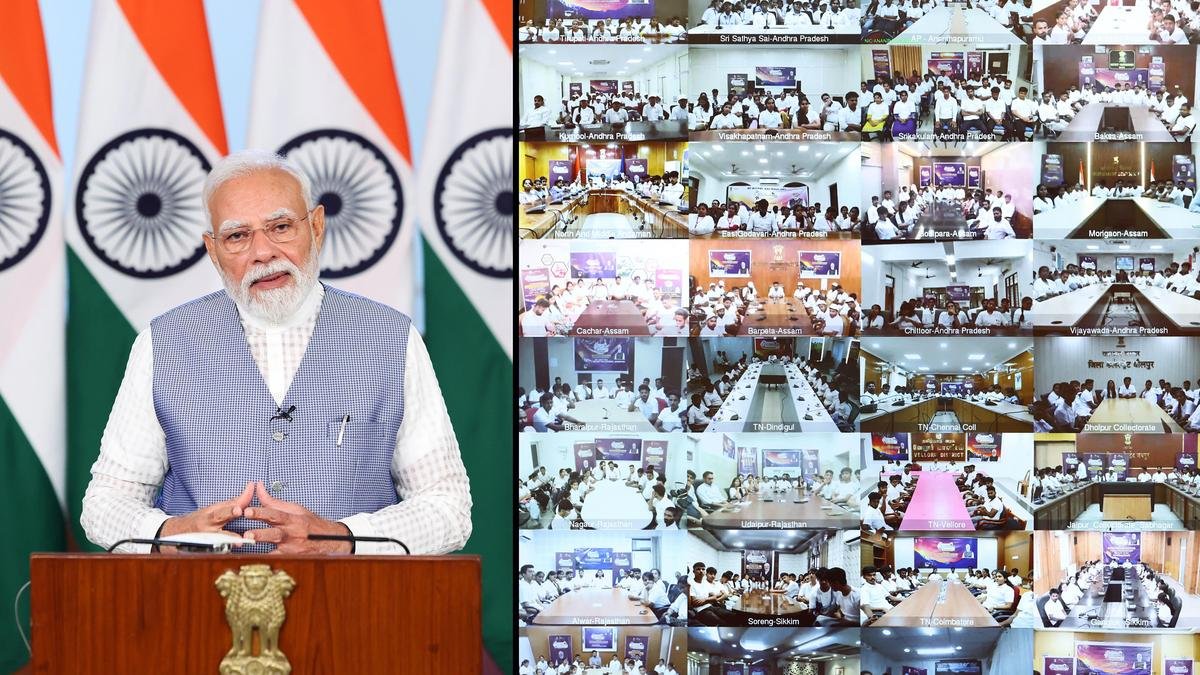
Addressing his “young friends,” in a late-night Instagram selfie reel on Friday, he thanked the people – who were mobilised en masse across the country, shouting anti-government slogans – for their “thoughtful suggestions”.
Less than 24 hours later, Modi – who has fiercely cultivated his strongman image for years – had accepted Dharmendra Pradhan’s resignation. It was, say analysts, the remarkable humbling of a government that has proved itself unwilling to bow in the face of any public pressure and which has ruled with almost untouchable impunity since 2014.
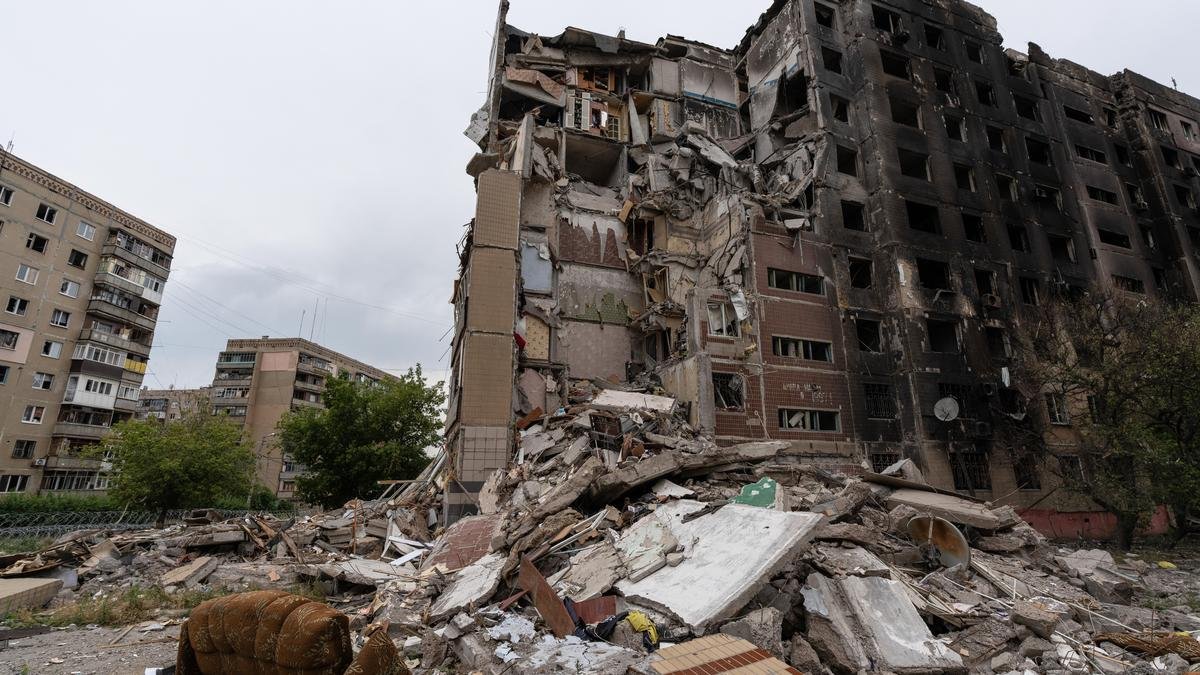
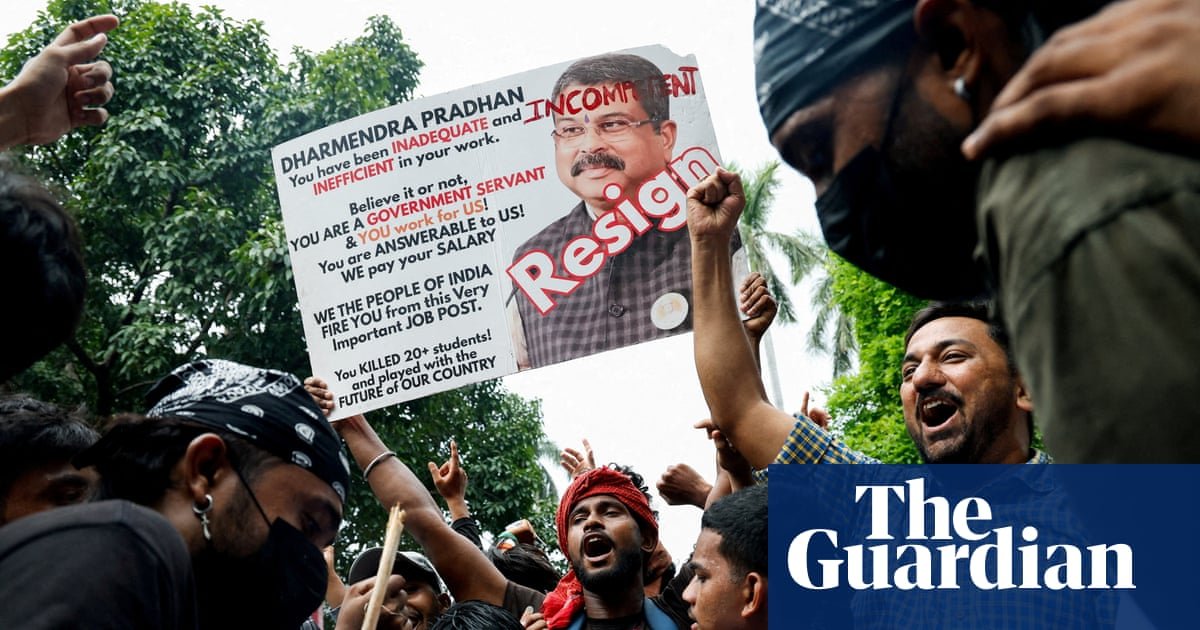
Over that past week, a gen Z movement that called itself the Cockroach Janta party (CJP) mobilised an unprecedented protest movement in the name of justice for millions of young people when the leaking of a crucial exam paper forced 2 million students to resit the test and was blamed for more than a dozen suicides.
The resignation of Pradhan, Modi’s loyal political ally, remained their first and foremost demand for accountability, even as the protests expanded into a wider fight for democracy. Yet Pradhan went unmentioned by Modi in his Instagram address.
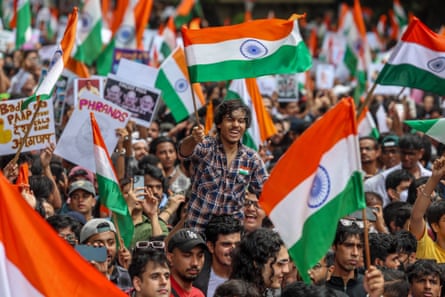
On Saturday morning, more people than ever were pouring into the protest site in Delhi’s historic Jantar Mantar site – the centre of the protests – and unrest was spreading fast to other cities, including states ruled by Modi’s Bharatiya Janata party (BJP).
But it was not only physical space that had been captured by the cockroach movement. Since they came to power, the BJP has proved enormously effective at capturing the online narrative, deploying their powerful, highly organised IT cell to mobilise and attack any perceived criticism of the government, whether it came from citizens, politicians or journalists.
But they proved no match for the millions of gen Z memes and reels that began to flood Instagram over this past week, fearlessly insulting Modi and pillorying the government, each more creative and incendiary than the next. Modi’s last-ditch attempts to speak directly to the youth on Instagram were simply met with more ridicule and spin-off memes.
Modi had also lost another medium critical to the BJP’s domination over the national narrative – the mainstream TV news channels widely acknowledged to have been co-opted by the BJP government over the past 12 years and turned into mouthpieces for its rightwing Hindu nationalist ideology.
Initially, the channels ignored the protests, and when they did cover them it was to suggest the protesters were being bankrolled by sinister foreign forces and Pakistani terror groups. In response, the protesters turned on the channels, using social media to expose their “lies”. When the protests escalated, Modi remained conspicuously absent from the airwaves.
Pradhan’s resignation came as it appeared that all other options for the government had gone. The option of a ruthless crackdown appeared untenable given the mass outcry to the police violence that had hit protesters on Monday.
“The online space was totally conquered by the protesters and regime-loving media was seriously delegitimised,” said Ashutosh Varshney, a professor of international studies at Brown University in Rhode Island. “The anger was so comprehensive there was no option left but for Pradhan to go.”
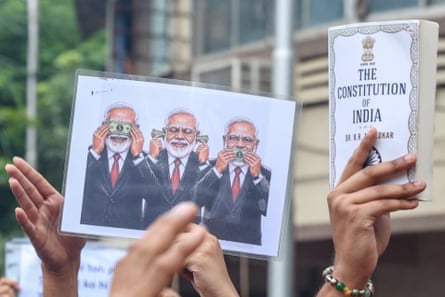
But this was more than the loss of a minister, Varshney said, it was also the first time in 12 years that the Modi government has lost control of the political narrative. “This is a repressive government,” he said. “It wants obedience, it wants no critical discussion and it generates fear. But now the climate of fear has collapsed.”
Analysts say the resignation of Pradhan could also have implications for Modi’s power over his own cabinet. Pradhan was one of Modi’s most loyal ministers and ideological foot soldiers, and had implemented policies exactly as senior party figures had wanted. He had also helped the BJP win Odisha state for the first time in the general election, bringing in crucial seats.
“Modi knows, once you start firing your most loyal ministers, it sets up the incentives for defections in other ministers as well,” said the political columnist Pratap Bhanu Mehta. “If your own cabinet starts to hedge for a future where they may not be backed by your own government, that’s when you are in trouble.”
Prior to this week’s unrest, Modi had been riding high on a string of important state electoral victories, in particular the BJP’s first triumph in West Bengal, a politically important state that had long pushed back against their Hindu nationalist politics.
The BJP appeared to have fully bounced back from the blow in the 2024 elections, when the party failed to win an outright parliamentary majority and had to scramble together a large enough alliance to take power.
At the same time, the much-beleaguered opposition had continued to lose countless state elections and their allegations of voting impropriety by the BJP fell mostly on deaf ears.
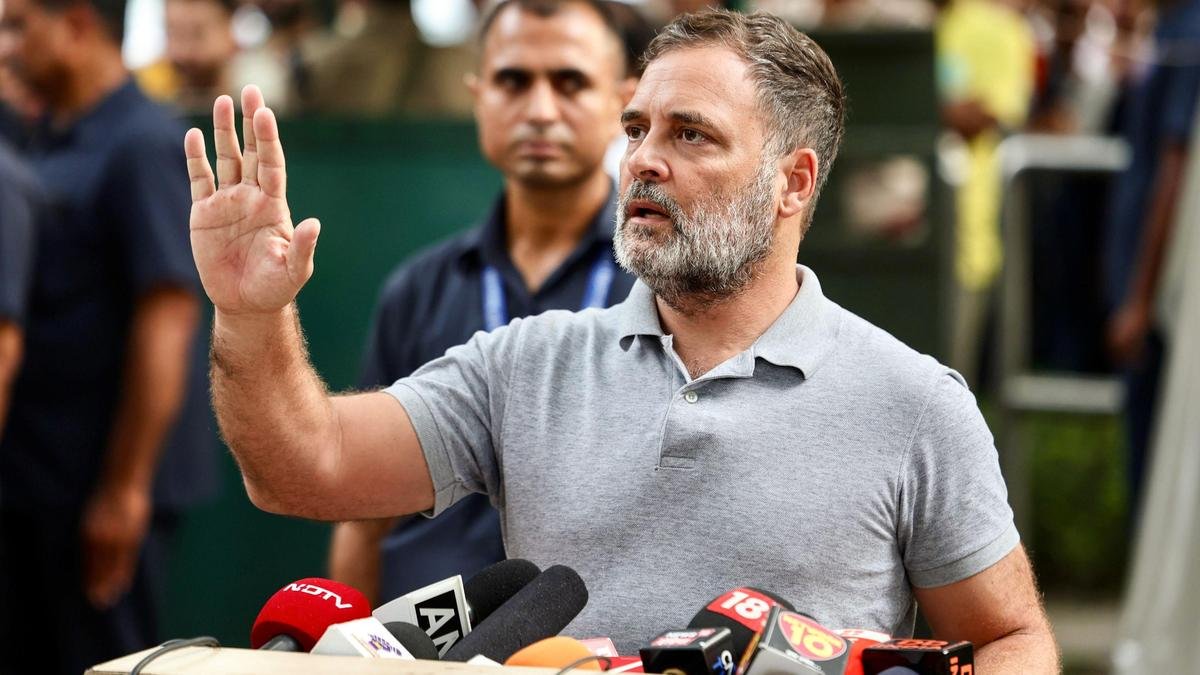
Yet the emergence of the cockroaches has reinvigorated not only India’s youth, but its political opposition parties as well. Jumping on the bandwagon, the opposition Congress party has had its best week in years as it mobilised protests and shut down parliament. The party’s leader, Rahul Gandhi, was dramatically dragged away by police outside Modi’s house in support of students.
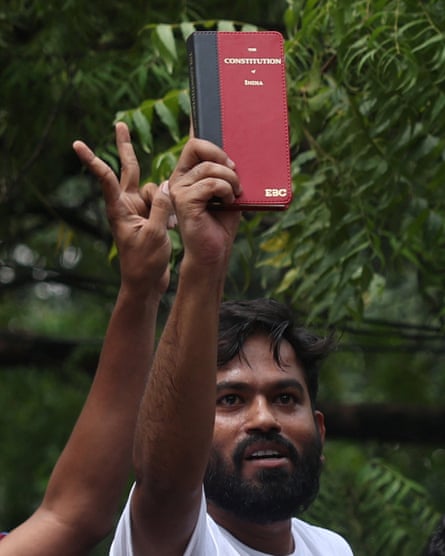
Analysts say that dissent, which had been systematically crushed over the past 12 years, has now been re-galvanised as an effective tool to hold the government to account.
“After a long time, there’s an assertion of political agency across different sections of society,” said Mehta. “And the minute you see that agency out in the street, it empowers lots of other agents.”
The next big test of the electoral implications of the CJP movement will come early next year, when India’s largest and most politically important state Uttar Pradesh holds its state elections. Holding on to power in Uttar Pradesh, the BJP’s political heartland, is seen as crucial for the party and would have major implications for the next general election in 2029.
Just how the CJP intends to politically mobilise after their striking victory on Saturday remains to be seen. Leaders and supporters insist this is just the “beginning”, particularly in their push for education reform. Their founder, Abhijeet Dipke, has some past experience as a political party organiser, but has not made his own ambitions known.
Yet analysts said that one of the most crucial impacts of the CJP had been to reopen a rapidly closing democratic space and make it seem possible that a new kind of political opposition could emerge; one reflective of the voices that were heard on the streets of India this week.
Saurav Das, a CJP spokesperson, said they were encouraging of people involved in the movement going into politics. “This is one of our goals,” he said. “We need to increase youth participation in politics, because right now it’s controlled by uncles and aunties who are only interested in looking after their own lifestyles and don’t understand the needs of our generation. The answer also has to be political.”