Europe’s summers are transforming. What were once considered exceptionally high temperatures, such as the near 40 degrees Celsius (104 degrees Fahrenheit) being experienced in Prague, are becoming the norm.
According to Europe’s Copernicus Climate Change Service, late May and June heatwaves brought daily average temperatures of more than 10C (18F) above the norm in parts of France, the United Kingdom and Spain.
Recommended Stories
list 1 of 4Prague Zoo keeps polar bears cool with ice amid heatwave
list 2 of 4Inside Barcelona’s most sweltering neighbourhood: El Raval
list 3 of 4Two killed as Greek firefighting helicopters collide in midair
list 4 of 4Heatwave forces nuclear shutdown in Hungary
Western European temperatures averaged 20.74C (69F) in June, 3.06C (5.4F) above the 1991-2020 average.
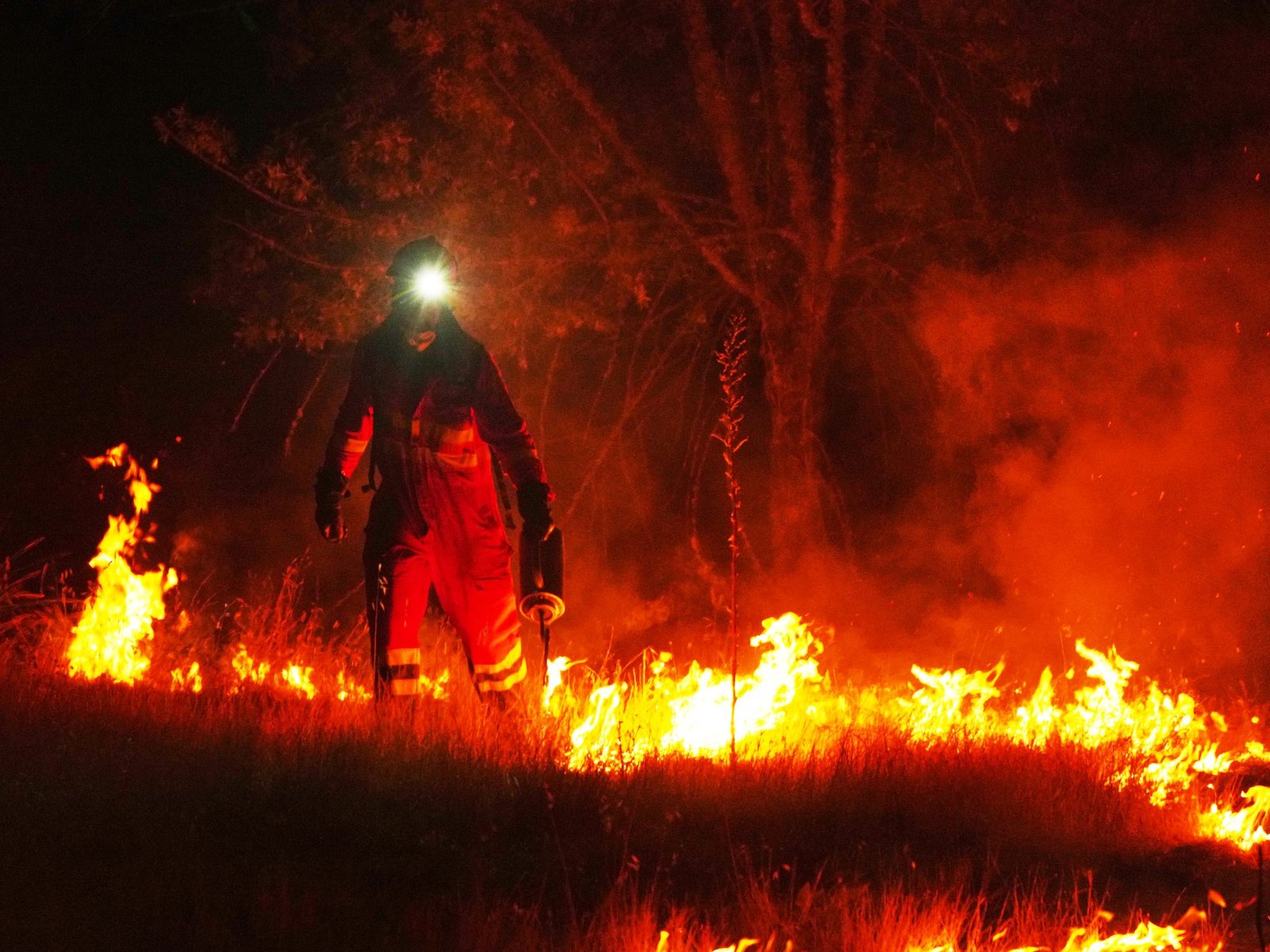
With some temperatures climbing well above 40C, prolonged droughts, destructive wildfires and shrinking rivers are no longer freak events but recurring features of European summers.
Scientists have repeatedly warned that climate change would increase the frequency and intensity of extreme weather. Heatwaves now last longer, arrive earlier and affect more countries simultaneously.
The consequences extend beyond uncomfortable temperatures. They are reshaping ecosystems, economies and daily life across much of the continent.