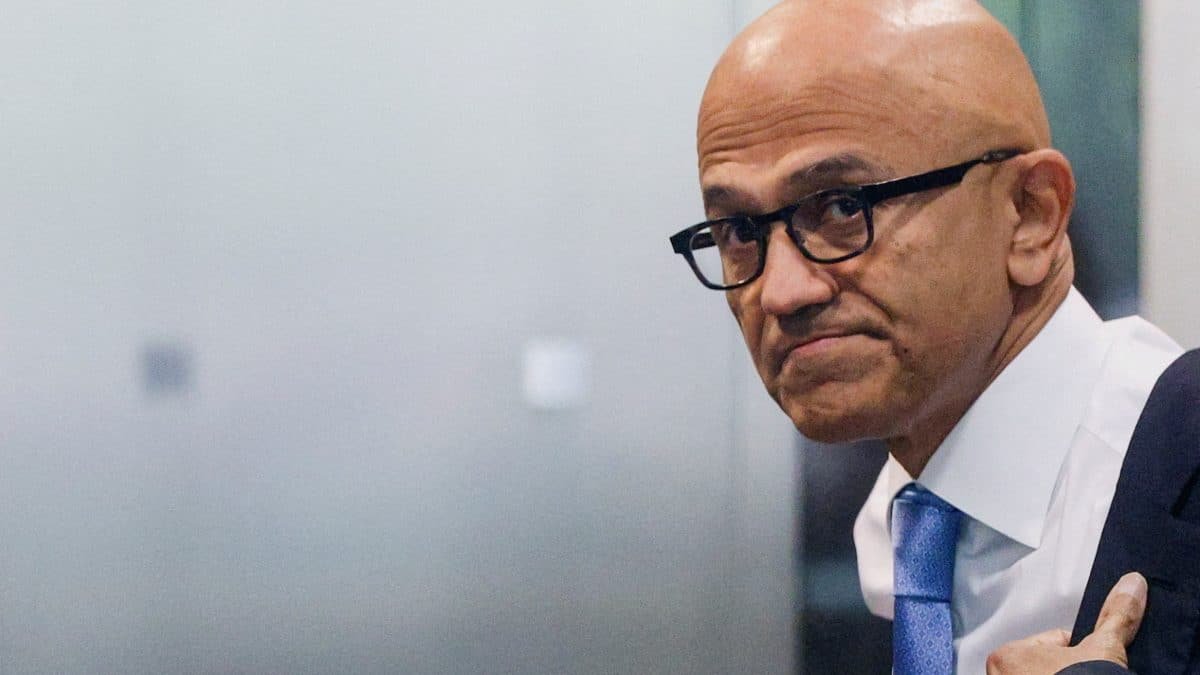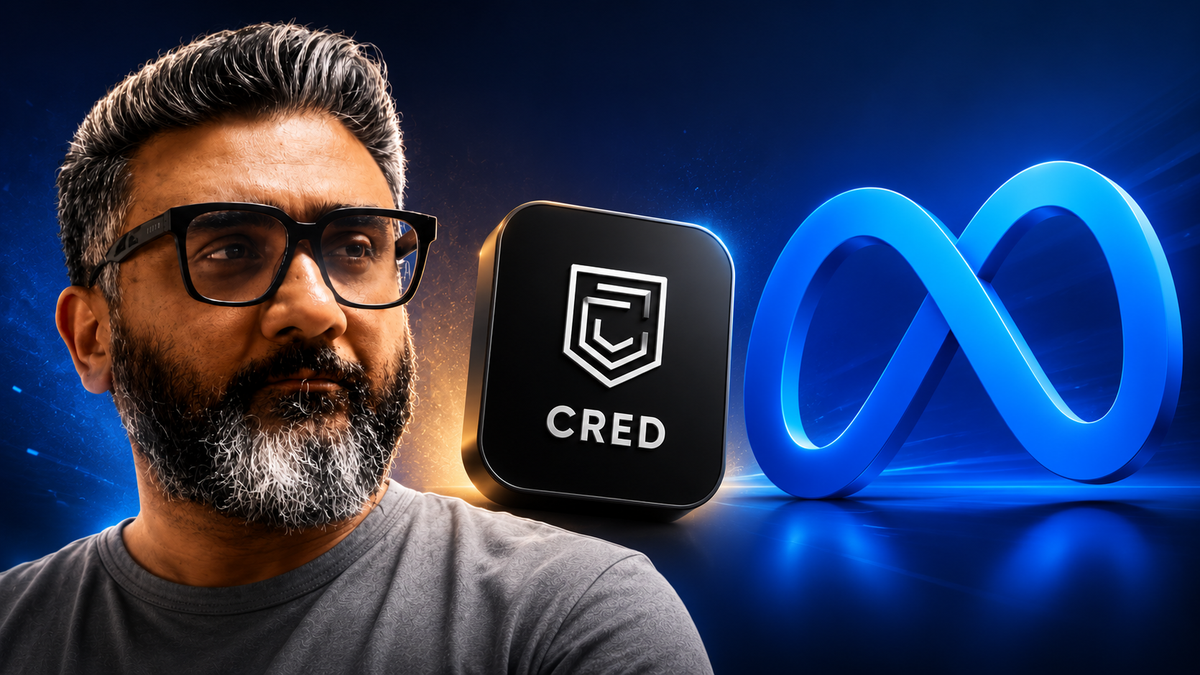
Cred founder Kunal Shah’s appointment as WhatsApp’s global head is, at first brush, an unexpected appointment.
But while Mr.
Shah has built his career as a founder in two large fintech ventures — the previous being the mobile wallet firm FreeCharge — he has also been a large investor focused on building up ventures.
For the last seven years, Will Cathcart, a Meta veteran, has focused on growing WhatsApp’s value to consumers with privacy features and all the additional things that people have come to expect from messaging applications.
With these underpinnings, WhatsApp has grown to over 3 billion users.
But while that is indeed a massive number, the service is likely still cross-subsidised by other Meta products like Instagram and Facebook, where advertisements are a significant source of revenue and monetising is straightforward.
Until recent weeks, WhatsApp didn’t even have a subscription model for individual users — most of its revenue comes from business users paying for messages to customers (or likely customers).
Kunal Shah: From CRED to WhatsApp Mr.
Shah has indicated that he’ll change that.
“While it’s come very far, the delta between WhatsApp today and its full potential is massive,” he said on X, formerly Twitter.
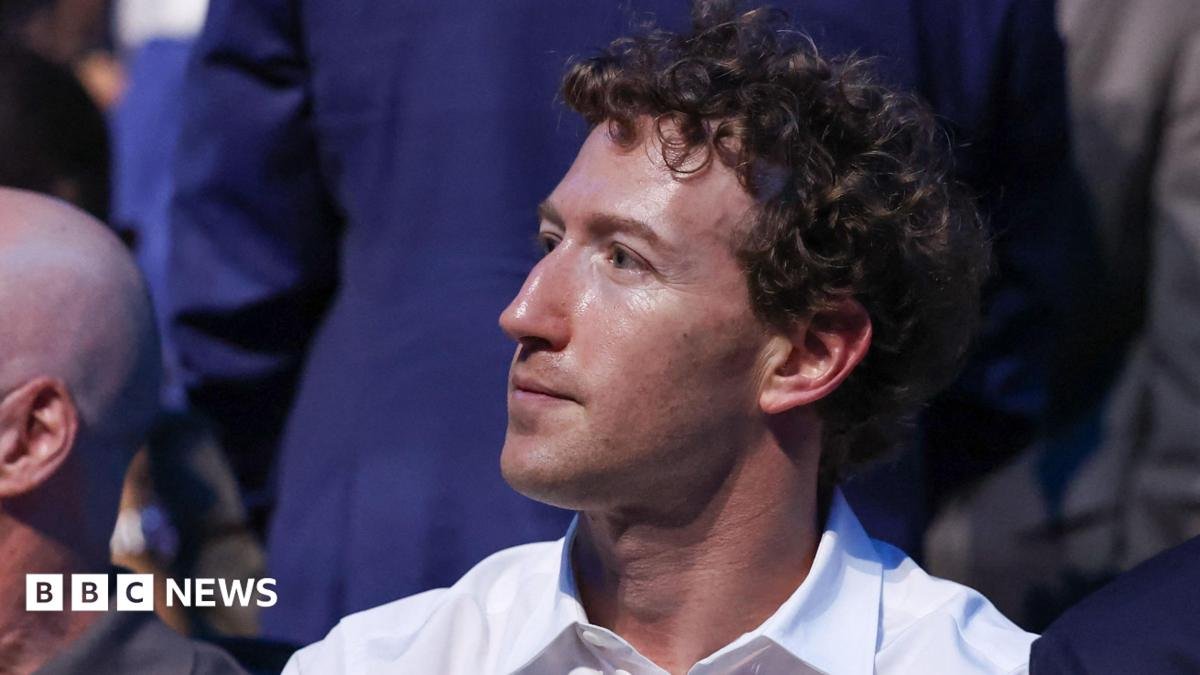
“I look forward to working with Mark [Zuckerberg, Meta’s founder and CEO], Chris [Cox, chief product officer], and the leadership across Meta for the next step in WhatsApp’s journey.” “Kunal built CRED into one of India’s most important technology companies, and he brings the kind of builder mentality and global perspective that will serve him well in running the world’s biggest messaging app,” Mr.
Zuckerberg said.
The firm is also investing $900 million in Cred, half of which will go towards the company, with the other half going to early investors.
Cred is evaluating a public listing.
Meta’s investment in India Meta has made big ticket investments into other firms in India, such as Jio Platforms Limited.
These multi-billion Big Tech investments are as much a bet on a business as they are participation in the political capital of India’s digital infrastructure.
In Cred’s case, the investment may have been necessary to convince Mr.
Shah that the venture he has led for the better part of a decade is set up for its best shot at success in the coming years.
Cred is now valued at $4 billion following this investment.
While Meta also stands to gain from deeper insights into the spending habits and behaviour of its wealthiest users in India, Mr.
Shah has said that the firm will gain no consumer data as a result of this deal.
Who is Will Cathcart?
All you need to know about the outgoing WhatsApp chief WhatsApp was acquired by Meta over a decade ago for $19 billion.
The firm has since taken pains to assure users that it is a secure and reliable platform, while investing billions of dollars over the years to keep the service free and attractive to users.
Mr.
Cathcart played a key role there, such as by being the public face of Meta’s lawsuit against the NSO Group, which makes the Pegasus spyware, used in many countries, including India, to spy on journalists, activists and the political opposition.
Scale, then monetise Meta’s playbook is to scale first and then monetise intensively.
That was the case with Instagram, which the firm also obtained through an acquisition.
Shah is no stranger to aggressively scaling before worrying about a profit — Cred made losses in the hundreds of crores before its first (arguably) profitable quarter this year.
Apart from scaling the focused business that Cred is becoming — only concentrating on the few million Indians with a credit card — Mr.
Shah has cultivated a philosopher-like image in the founder community, expounding, for instance, on a so-called Delta-4 framework, which says that for a new product to take off, it needs to change behaviours irreversibly.
Starting during the pandemic, he anchored a series of cerebral (and sometimes impenetrable) conversations with thinkers like the filmmaker Anand Gandhi, and Zerodha founder Nithin Kamath.
Nikhil Pahwa, who edits the MediaNama tech policy and business news website, said on X that Mr.
Shah was being courted for a leadership position in WhatsApp’s India business around the time he founded Cred.
“They already knew him,” Mr.
Pahwa said.
“I guess this time the opportunity was big enough, the role was big enough: it’s a major step up into a whole new world.” Cautious Zuckerberg WhatsApp has faced pushback in previous moves towards monetisation.
For instance, when Meta updated its privacy policy to allow businesses to seamlessly receive phone numbers from its sister platforms, the Supreme Court stayed it, and halted the company from kicking out users who refused to accept the changes.
The Competition Commission of India also fined the firm for this change, and appeals against that penalty are ongoing at the Supreme Court.
Zuckerberg himself has been cautious about introducing ads to WhatsApp, and reportedly backed off of a planned implementation in 2020.
Meta has shown more willingness to assertively make such changes; an internal memo reported by the New York Times in February said that the firm would try to push facial recognition technologies (which face enormous scepticism and pushback in Europe and North America) into its smart glasses.
“We will launch during a dynamic political environment where many civil society groups that we would expect to attack us would have their resources focused on other concerns,” a Meta division reportedly said in that memo.
Such a moment may be drawing near for changes to WhatsApp, now that it has reached a scale that is difficult to challenge for competitors; and Mr.
Shah, the firm may have decided, is essential to oversee this period.