India’s maternal health infrastructure has expanded significantly over the last two decades.
More women are delivering in health facilities.
Antenatal care coverage has improved.
ASHA workers have become the backbone of community health outreach.
These are important achievements.
The challenge is that many of these systems were designed for a climate that no longer exists.
A recent analysis by Climate Central found that India now experiences six additional “pregnancy heat-risk days” each year because of climate change.
These are days when temperatures are high enough to increase the risk of adverse pregnancy outcomes.
In Mumbai alone, climate change added 26 such days over a five-year period.
The consequences are serious.
A major review published in Nature Medicine in 2024, covering 198 studies across 66 countries, found that heatwaves increase the risk of preterm birth by 26%.
Research among outdoor workers in India has linked heat stress to a substantially higher risk of miscarriage.
Heat exposure is also associated with low birth weight and stillbirth.
For India, these risks matter enormously.
The country already carries one of the world’s largest burdens of preterm birth, with roughly one in six babies born before term.
A preterm baby is far more likely to die in the first week of life than one born at full term.
Progress made over decades in maternal and newborn health is now being tested by a changing climate.
For pregnant women in Chennai’s tenements, summer offers no escape The burden on frontline workers The same lesson applies to frontline health workers.
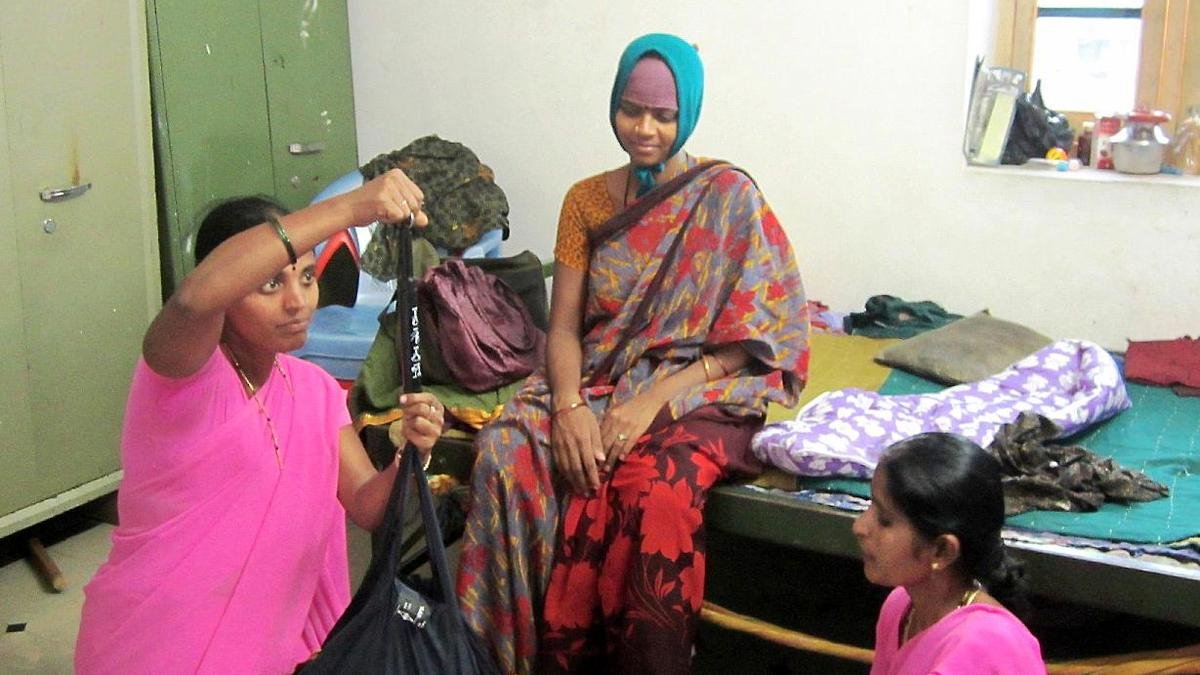
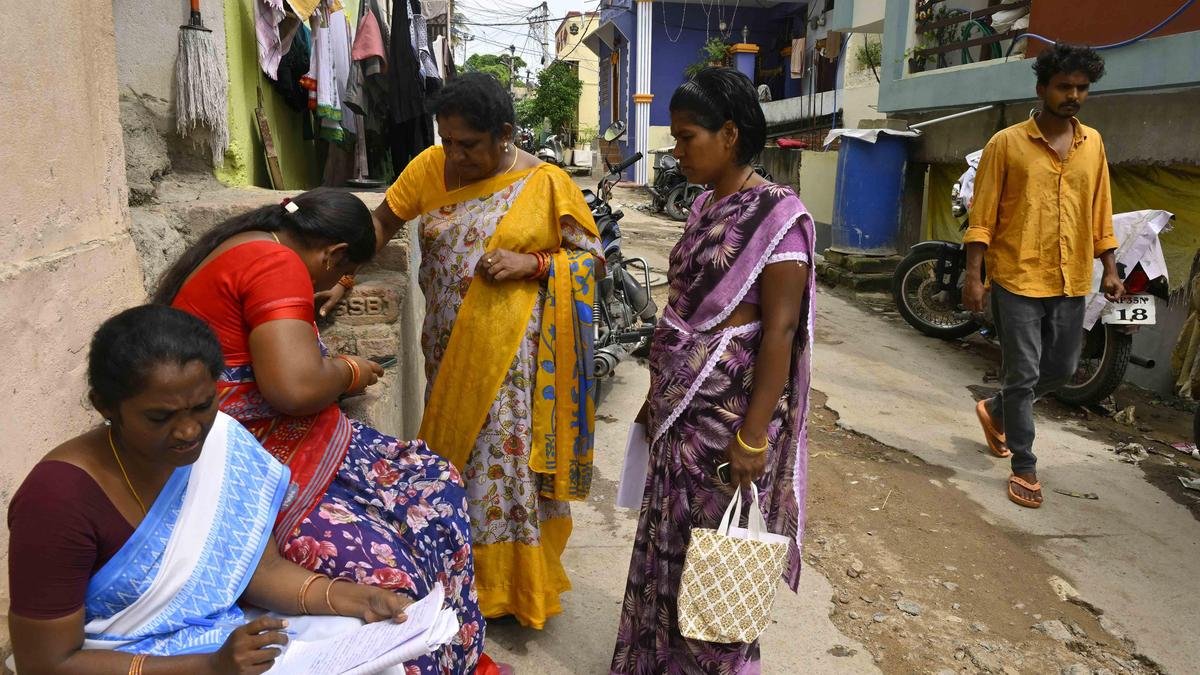
More than a million ASHAs work across India, often walking long distances in extreme heat to monitor pregnancies, support immunisation and deliver essential services.
Yet they receive limited protection from the very climate risks they are helping communities navigate.
Our recent report points out that climate resilience is often carried on the shoulders of frontline workers long before it appears in policy.
For maternal health, this means ASHAs and community health workers are increasingly responding to climate-related stresses - from heat exposure and water scarcity to food insecurity and disrupted access to care - without necessarily having the training, protocols, or institutional support to do so.
The result is that resilience exists, but often in informal and under-recognised ways.
When heat becomes unbearable and visits are delayed or reduced, the effects ripple through the health system.
Pregnancies go unmonitored.
Health records develop gaps.
These impacts rarely appear in climate statistics, but they are climate impacts nonetheless.
India does not lack programmes, plans, or institutions.
What it often lacks is coordination between them.
Climate and health continue to be governed through parallel systems, with heat treated as a disaster-management issue, climate change as an environmental issue, and maternal health as a health-sector issue.
Pregnant women, however, experience all of these risks at once.
The toll that extreme heat takes on women What needs to change Heat Action Plans should explicitly identify pregnant women, newborns and frontline health workers as priority groups.
Antenatal care programmes should incorporate heat-risk assessments, including questions about living conditions, work exposure and access to cooling.
ASHAs need climate-responsive training and recognition of heat exposure as an occupational health issue.
Health facilities require investments in cooling measures, whether through improved design, cool roofs, ventilation or reliable power.
And India needs better data systems to track the relationship between extreme heat and maternal and neonatal outcomes.
None of these measures require building an entirely new system.
They require updating the systems we already have.
A striking example comes from Ahmedabad.
During the severe 2010 heatwave, doctors observed a sharp rise in newborns arriving with unexplained fevers.
Investigations revealed that the maternity ward was located on the top floor of a building with a heat-absorbing roof.
Simply relocating the ward to a cooler floor reduced heat-related admissions.
Sometimes adaptation is not about sophisticated technology; it is about recognising risks that were previously invisible.
As India’s summer begins, understanding the heat and health conundrum Adapting progress to a hotter future India’s maternal health story over the past two decades has been one of steady progress.
Climate change is now a stress test for that progress.
The heat that women experience today is not the heat their mothers experienced during pregnancy.
And temperature alone does not determine vulnerability.
What matters is everything around it.
The women most exposed to climate-related health risks are often those already facing economic and social disadvantage.
Vulnerability is not natural; it is shaped by housing, livelihoods, access to services and the strength of public systems.
The risks are changing, and our institutions must change with them.
The encouraging news is that the foundations already exist.
The question is whether we will adapt them quickly enough to protect the women and children whose health increasingly depends on it.
Doing so will require action from multiple actors.
Policymakers must ensure that climate considerations are embedded within maternal and child health programmes, Heat Action Plans, and health-system planning.
Funders and philanthropies must invest in the evidence, innovation, and frontline capacity needed to build climate-resilient health systems.
Civil society organisations, many of which are already responding to climate-health challenges on the ground, need greater support to test, demonstrate, and scale solutions that reach vulnerable communities.
Climate change is no longer only an environmental challenge; it is a public health challenge.
And if India’s progress in maternal and child health is to be sustained, health must move from the margins of climate action to its centre. (Pranay Karuna is associate director & head of programmes, ClimateRISE, Dasra. pranay@dasra.org)