Iran has proposed a seven-day roadmap aimed at ending the war with the United States.
Foreign Minister Abbas Araghchi outlined the plan to reporters in New York on Thursday, according to US media. The proposal seeks to implement the conditions in the Memorandum of Understanding agreed by Washington and Tehran in June, including a halt to hostilities and the reopening of the Strait of Hormuz.
Recommended Stories
list 1 of 4Rubio warns of Iraq ‘Balkanisation’: Is that a real threat?
list 2 of 4Saudi-led coalition says shot down 6 ballistic missiles launched by Houthis
list 3 of 4Iranian-American group sues Trump over war
list 4 of 4Benjamin Netanyahu attacks Israel’s enemies and allies in UN speech
Reportedly passed to Washington via mediators earlier this week, Iran’s proposal asks the US to meet specific conditions within seven days to restart ceasefire talks and end the blockade choking the strategically important strait.
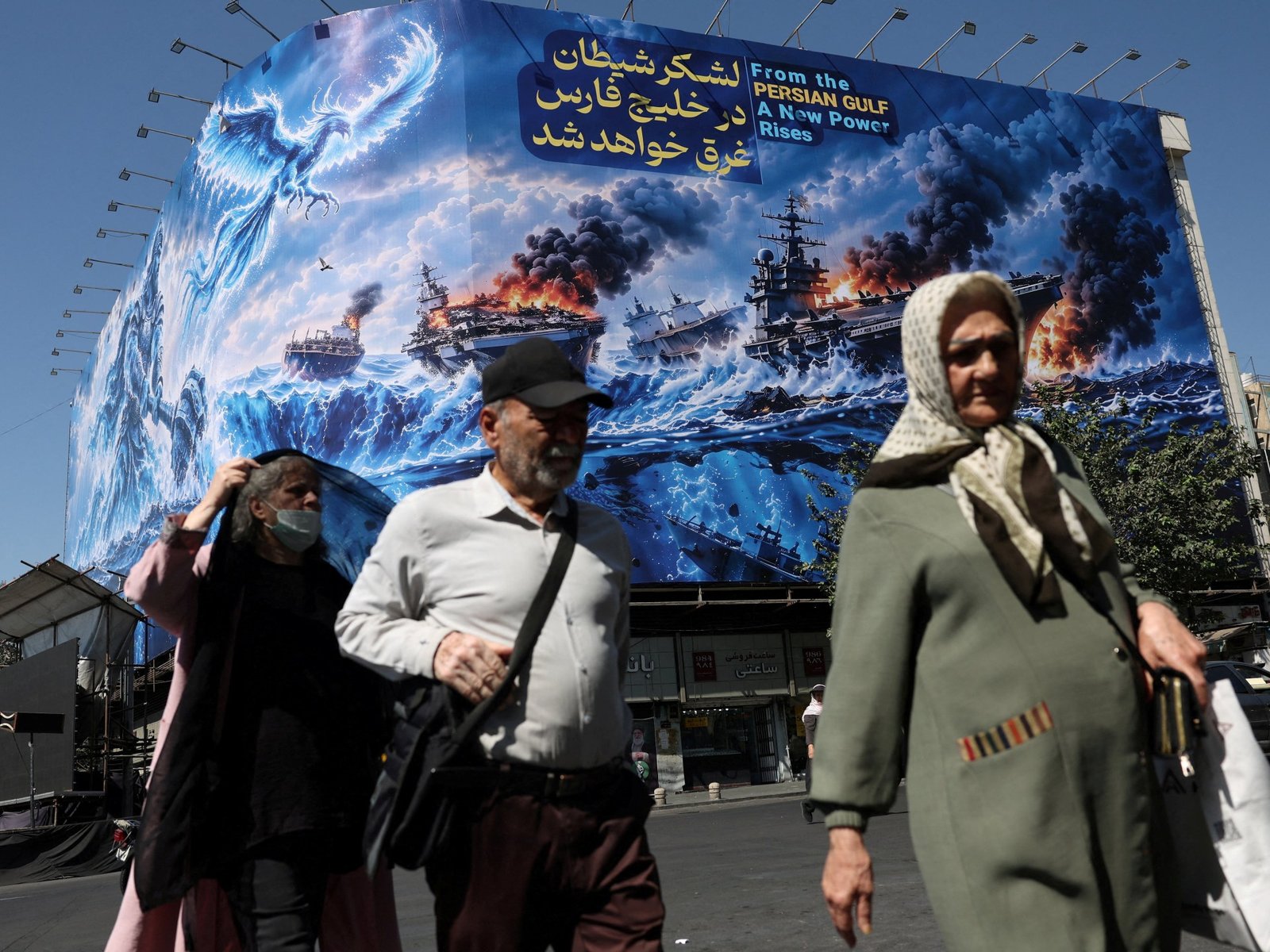
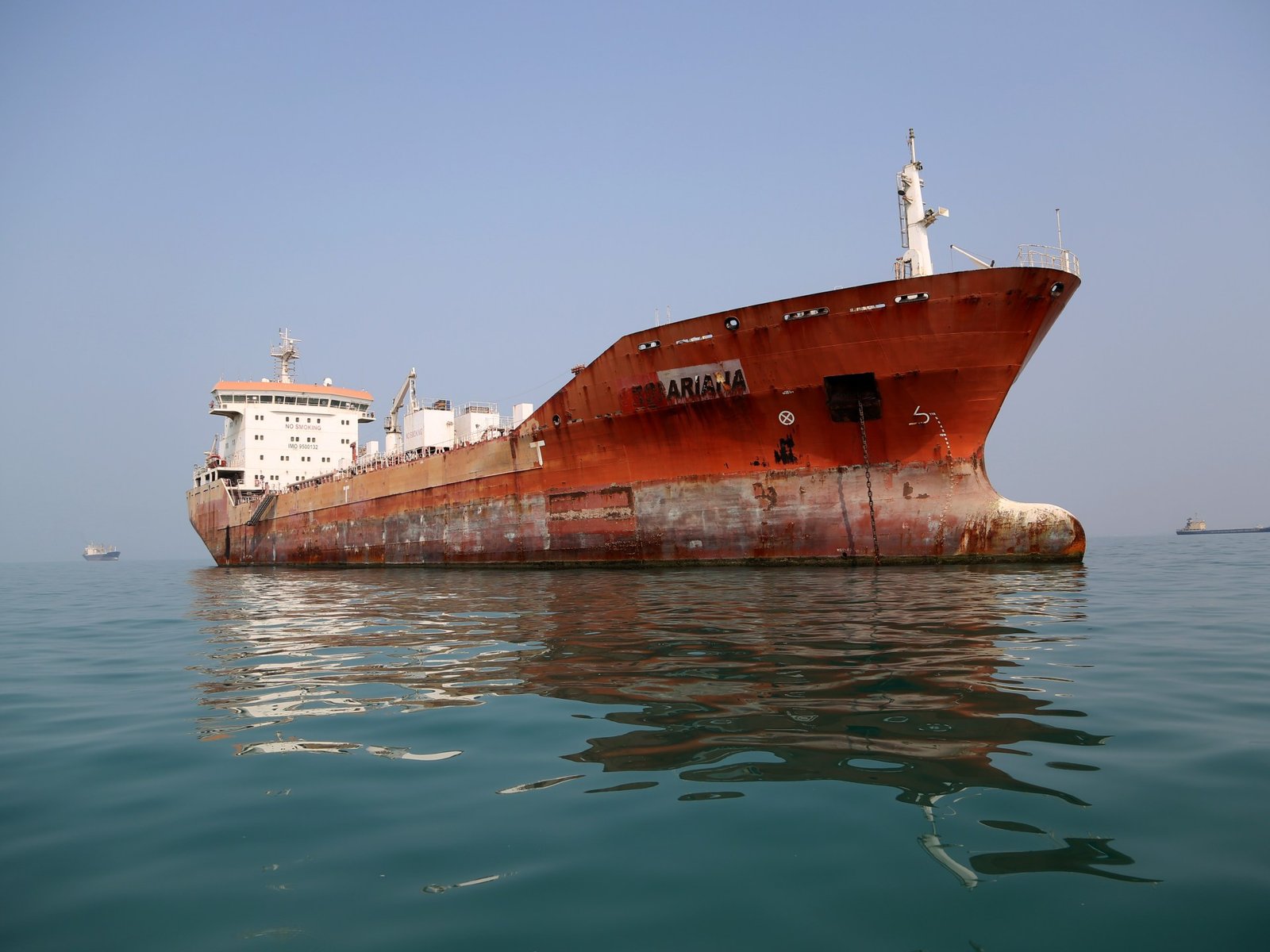
The restrictions on maritime traffic in Hormuz have become a key issue in the conflict due to the impact on oil and gas exports and the global economy.
The proposal, which was presented to reporters on the sidelines of the United Nations General Assembly, comes as the war, started by US and Israeli strikes, is almost into its seventh month.
The US-Iran MoU deal expired in August as each side accused the other of violations, and there has been little sign since that they could return to the agreement, although Tehran has suggested it could happen.
Under Iran’s proposal, hostilities would end on all fronts, including Gaza and Lebanon, within seven days, The New York Times reported.
Washington would also release Iran’s frozen assets, estimated at no less than $12bn, waive sanctions on Iranian oil and lift its naval blockade.
The Strait of Hormuz would reopen on the final day of the period. Talks on Iran’s nuclear programme, ostensibly the root cause of the conflict according to President Donald Trump, would start immediately.
The proposal closely resembles the MoU, but sets out a hugely ambitious timetable. The Pakistani and Qatari-brokered deal signed on June 17 set a 60-day window for negotiations, but still unravelled within weeks.
Vague wording led to disputes over who controlled shipping through the strait, and the two sides traded attacks before US President Donald Trump declared the deal “over” on July 7 .
Earlier this month, Iranian President Masoud Pezeshkian said Tehran would “immediately reciprocate” if the US returned to its commitments under the MoU.
“We have introduced a plan to the United States through the intermediators,” Araghchi told reporters.
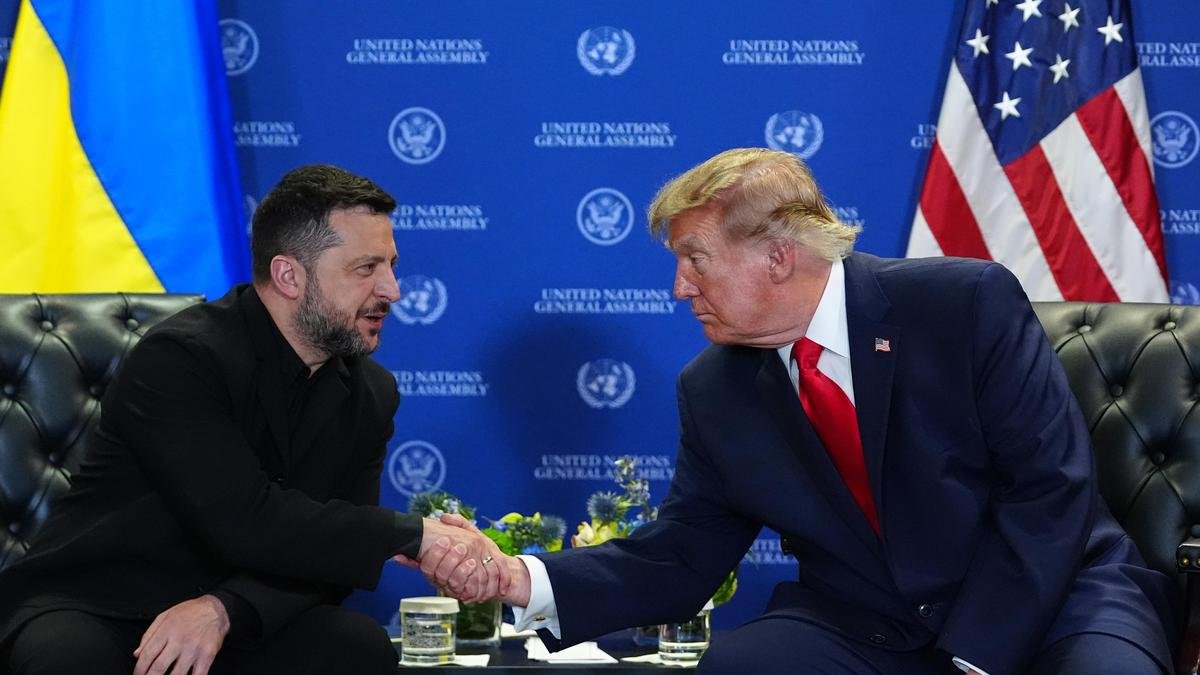
An unnamed White House official told CNN that the administration was having “positive and constructive discussions through the mediators”. The New York Times quoted an official as saying that Washington would not rush into a deal.
An Iranian security source told Al Jazeera there could be room for further diplomatic engagement if Washington met Iran’s conditions and commitments.
However, analysts said the proposal suggests that diplomatic efforts between the US and Iran are not advancing significantly.
“Basically nothing has really changed,” Cyrus Schayegh, professor of international history and politics at the Geneva Graduate Institute, told Al Jazeera.
Iran “keeps insisting that it wants to keep the additional power it gained during the war and that the June memorandum still is basically key to the roadmap moving forward,” said the professor, while the US “keeps basically refusing to accept this roadmap debate”.
No significant movement towards ending the conflict is likely before the US mid-term elections in November, he asserted.
Araghchi told reporters that “it would be better” to reach a deal before that vote. Pezeshkian said earlier that any agreements with the US would not be tied to the timing of the midterms, according to CNN.