Meta says safeguards are in place to prevent surreptitious filming, but some UK venues now prohibit them from being worn at all
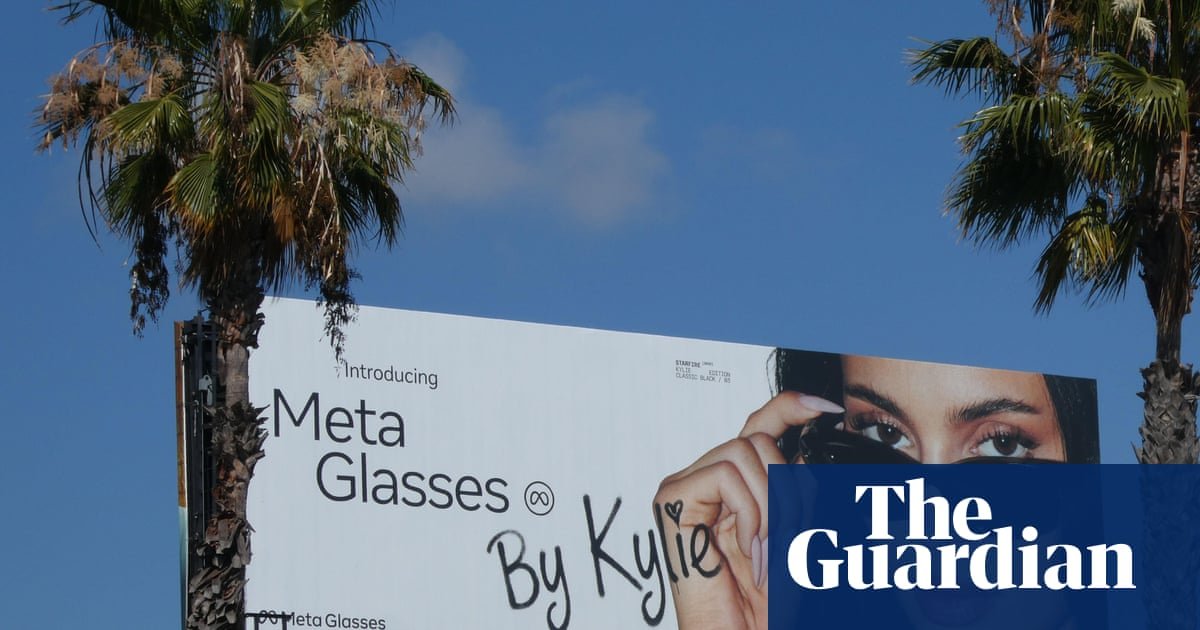
When Meta used superstar Kylie Jenner to promote its sleek new line of “spy glasses”, the social media company hoped the devices would reach the same broad acceptance that tablets and smartwatches have found before them.
But those plans have hit a snag in the UK, where venues from elite restaurants to popular pub chains have banned the £359 glasses in order to preserve the privacy of customers and staff.
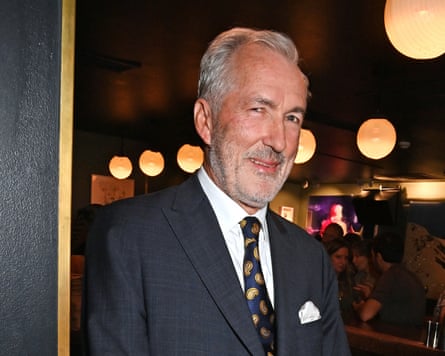
Celebrated restaurateur Jeremy King, owner of London venues including Simpsons in the Strand, Arlington and The Park, said guests should not wear the recording glasses.
He told the Guardian: “I would never knowingly allow any invasion of guest privacy other than with the eyes we were born with.”
Those wearing the glasses in Soho House’s private members’ clubs can also be expected to be asked to remove them. A spokesperson confirmed filming is not allowed in their venues, and these devices are no exception.
Even pub chain Wetherspoons will not allow people to record using the glasses inside.
Tim Martin, its chief executive, said: “The general code that applies in our pubs, and most pubs, is that you can’t film customers or employees without their permission. Meta glasses seem to breach this code, and common sense, by enabling surreptitious surveillance, so our instinct is to say turn off the cameras. This is akin to our efforts to stop audible playing of videos in our pubs, which also invades people’s space.”
Those who want to wear their Meta glasses to the theatre may face obstacles too. A spokesperson for ATG Theatres, which owns the Bristol Hippodrome, Edinburgh Playhouse, and various theatres across London, said that filming is not allowed and that those wearing the glasses during shows will be asked to remove them.
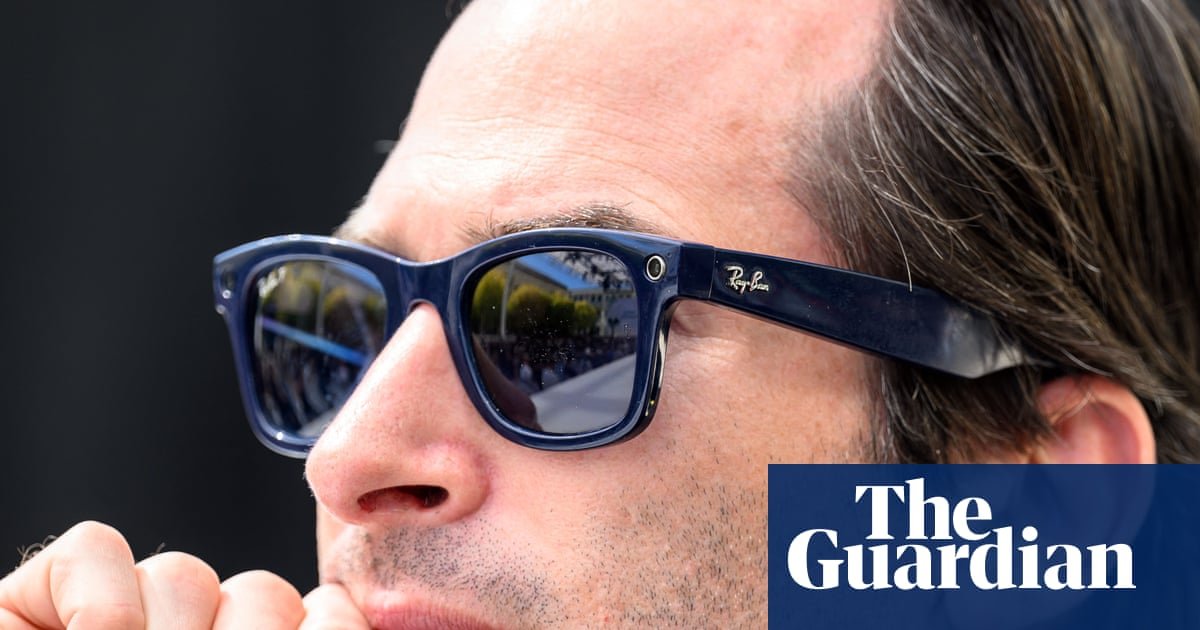
The glasses resemble normal eyewear, with the Jenner-designed model featuring a fashionable cat-eye design – with tiny cameras embedded. Meta says it hopes that the design allows users to stay “in the moment” without constantly looking down at a smartphone.
There have been widespread fears about the glasses being used to film people without their consent, with the resultant footage posted on social media. Though Meta points to the tiny, flashing LED light that activates on the glasses when they are being used to film, there have already been multiple instances of people complaining they have been videoed without prior knowledge.
In one instance, a woman told the BBC a man recorded her, and then demanded money to remove the videos from social media. Another woman described being recorded during sexual encounters without her consent.
Instagram has cracked down on nonconsensual videos made using the glasses posted on the platform. “If you’re posting content that is taking advantage of people and harassing them, like a lot of these pickup line kind of videos that we’ve heard of and seen, then we’re going to take the content down,” Instagram head Adam Mosseri said.
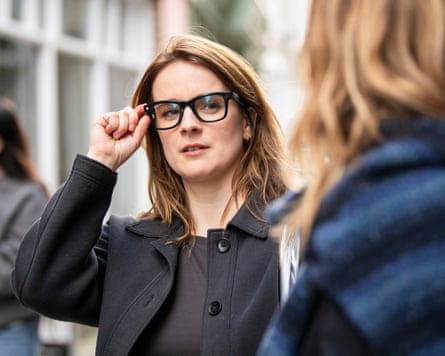
Meta has tried hard to make wearing the glasses a mainstream choice, handing out free pairs to popular social media influencers. Sales of the devices have tripled in the last year, with more than 7m sold worldwide.
Those seven million people do have some venues in the UK where they and their glasses are welcome. Michelin starred chef Tom Kerridge, who owns pubs and restaurants in Marlow, told the Guardian: “I have no problem whatsoever with them. Filming is part of everyday life now. In fact I think that they can be used in creative and exciting ways. The first thought about them shouldn’t be negative!”
A Meta spokesperson said: “People use our glasses because they’re genuinely helpful – from listening to music, to live translation or hands-free calls. For those wearing them and the people around them, trust matters. That’s why we built privacy into our AI glasses from the ground up. For example, every pair has a capture LED that blinks when you take a photo or video that you can save or share, it can’t be turned off, and if someone covers or damages the LED, the camera is disabled.”