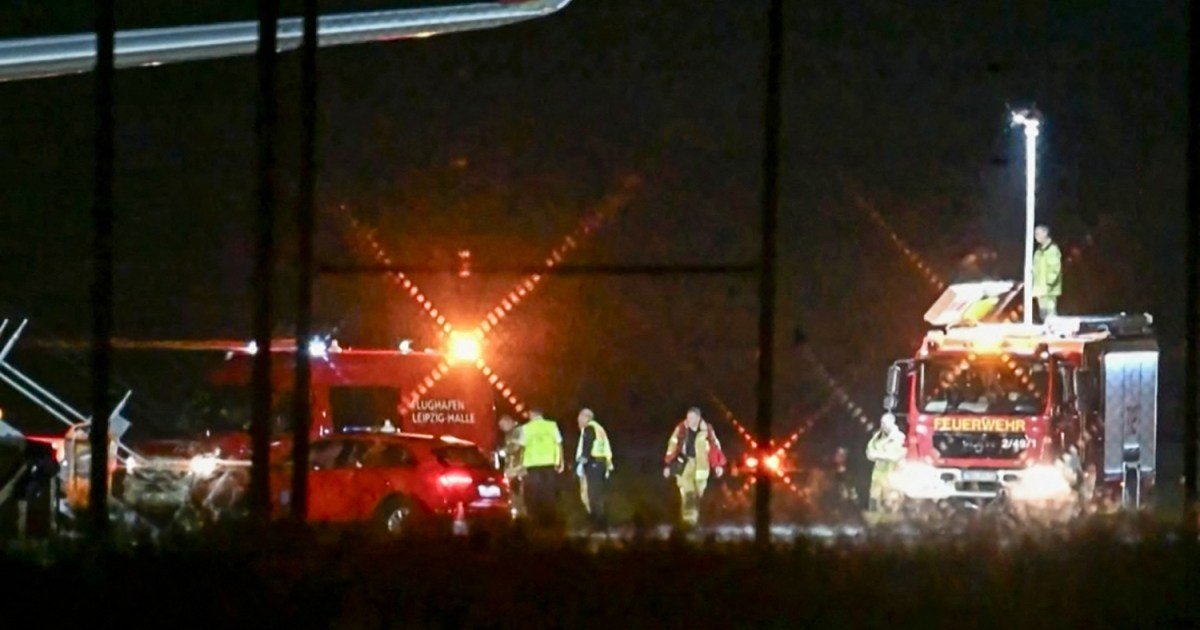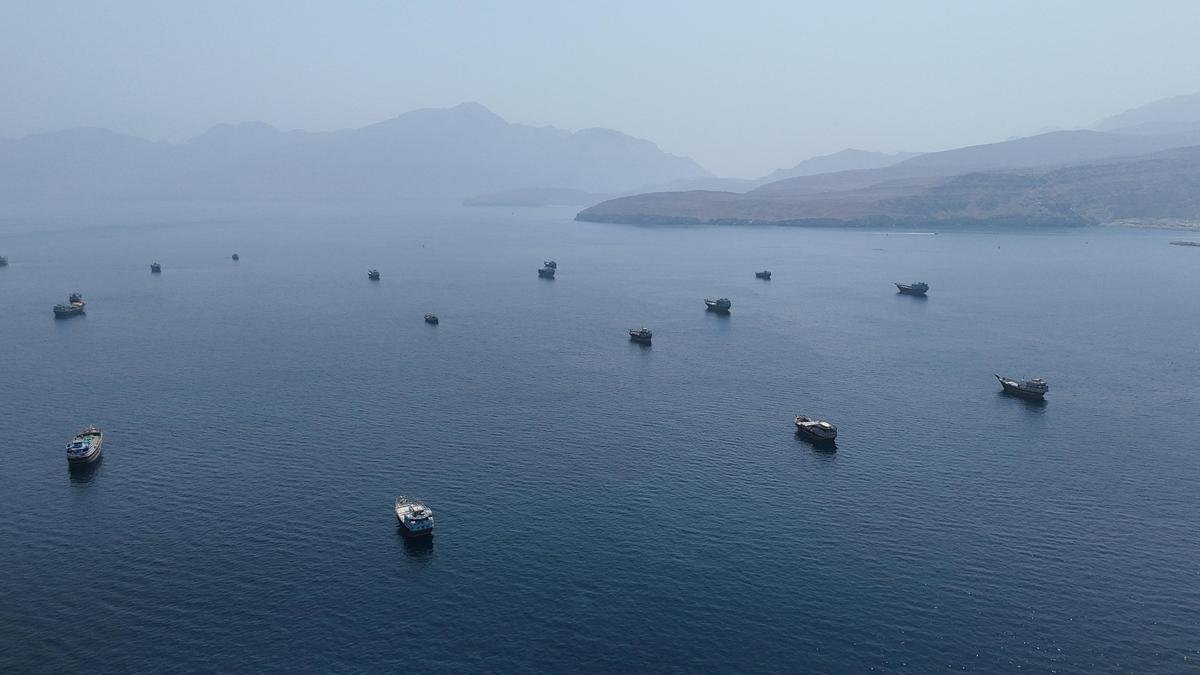
U.S. forces launched strikes on Tuesday (September 1, 2026) against Iran’s Revolutionary Guards in response to attempted attacks on commercial shipping and American forces, the U.S. military said as hostilities flare again after a month without military action.
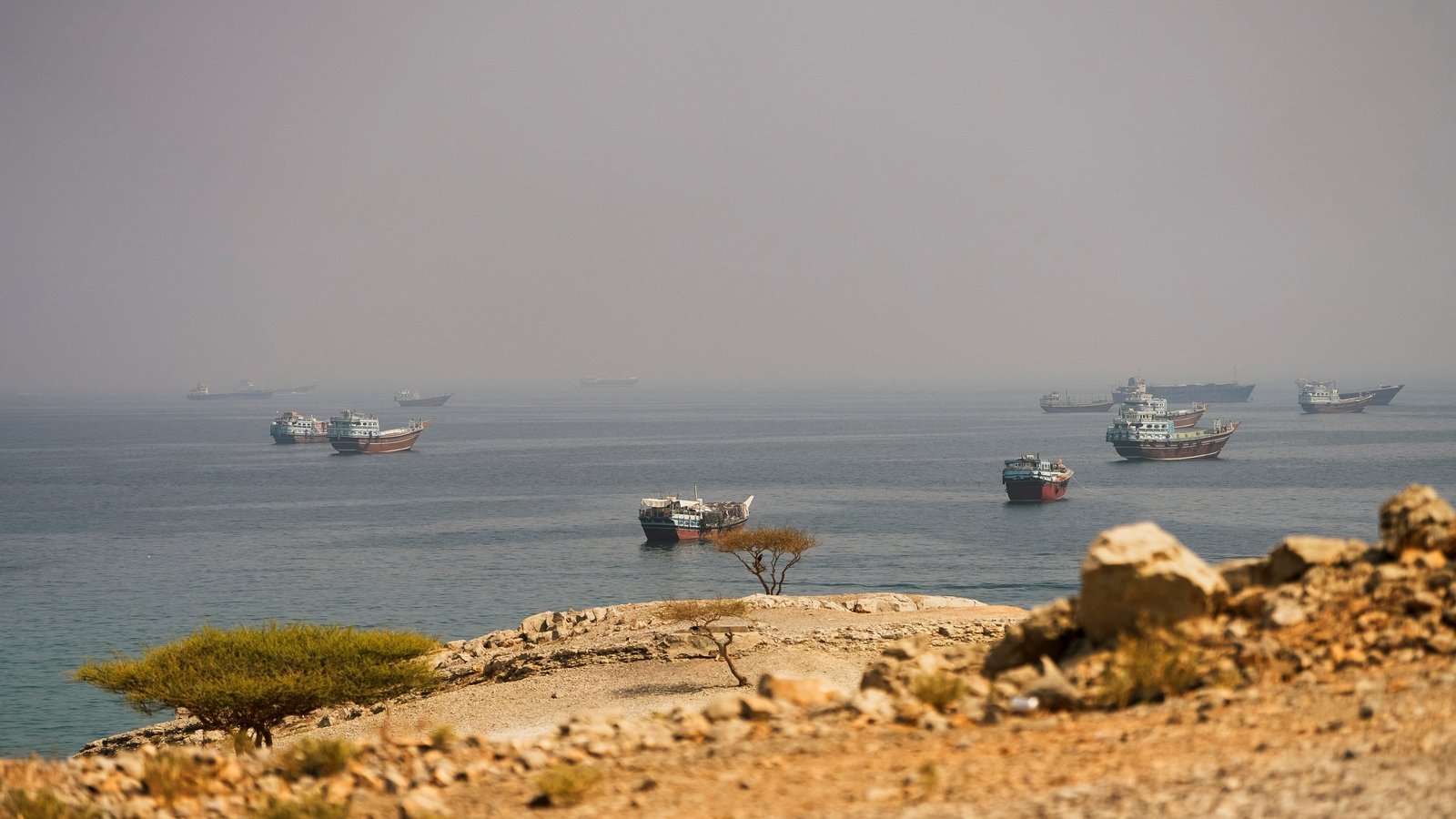
U.S. Central Command said the strikes “follow recent attempted attacks by the IRGC against commercial shipping in the Strait of Hormuz and against American service members deployed to the region.”
Today at 12 p.m. ET, U.S. forces began striking Islamic Revolutionary Guard Corps (IRGC) targets in Iran. The strikes follow recent attempted attacks by the IRGC against commercial shipping in the Strait of Hormuz and against American service members deployed to the region.— U.S. Central Command (@CENTCOM) September 1, 2026
Today at 12 p.m. ET, U.S. forces began striking Islamic Revolutionary Guard Corps (IRGC) targets in Iran. The strikes follow recent attempted attacks by the IRGC against commercial shipping in the Strait of Hormuz and against American service members deployed to the region.
On Sunday (August 30, 2026), the U.S. military said it struck rocket launchers on Larak Island in the Strait of Hormuz. Iran responded by launching missiles at U.S. sites in Jordan, which were intercepted, while United Arab Emirates said it stopped an Iranian drone over its waters.
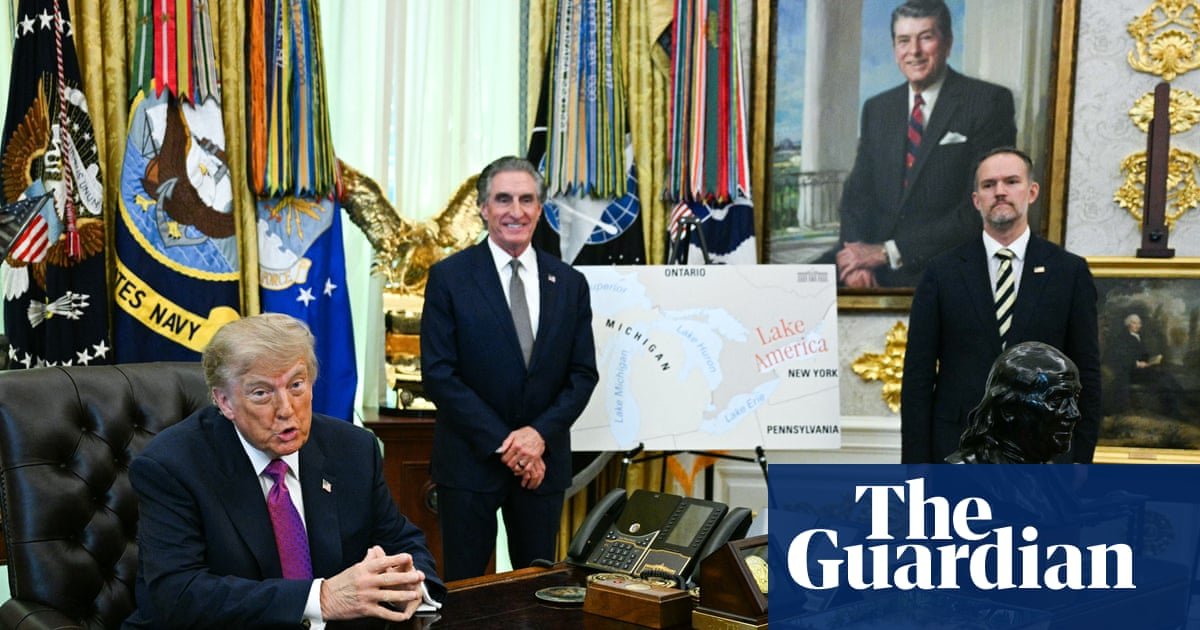
President Donald Trump acknowledged on Monday (August 31, 2026) that more strikes might be necessary.
Mr. Trump asserted that the U.S. and Israeli bombardment has left Iran “a failed nation.” He said that much of its political leadership has been killed, Iran’s economy is staggered by surging inflation and its military devastated.
Still, Mr. Trump acknowledged that more strikes might be necessary. “That doesn’t mean we won’t smack them,” he told reporters. “We’ll see what happens.”
. A return to open conflict would be dangerous for the region, where Iran has targeted U.S. military bases and infrastructure in Gulf countries since the war began.
Iranian state TV reported the sound of explosions in the southern port city of Bandar Abbas but did not provide details.

Renewed fighting
The renewed fighting also comes after Mr. Trump appeared to pivot last month toward punishing Iran economically with sanctions, with the president promising an “economic D-Day” against a country that has withstood nearly five decades of punishing American sanctions.
The Trump administration argued that it was only a matter of time and that striking the right economic target would get Tehran to its breaking point. But at the same time, U.S. stockpiles of advanced weapons have been diminishing, while the war has been unpopular among Americans and could make Republicans vulnerable in November’s midterm elections.

The U.S. military has tried to cast the renewed fighting as limited. Central Command said in a statement on X on Monday (August 31, 2026) that its attacks on Iranian targets on Sunday (August 30, 2026) were narrowly focused on preventing IRGC forces from placing new mines in the Strait of Hormuz.
“U.S. forces took limited, precise action against IRGC minelaying forces posing an imminent threat in the Strait of Hormuz,” Central Command stated. “In essence, Iran created the threat and the U.S. military eliminated it to protect civilian mariners, commercial shipping, and the free flow of global commerce.”
Central Command reiterated on Tuesday (September 1, 2026) that its attacks only followed Iranian aggression against commercial vessels and American troops in the region.