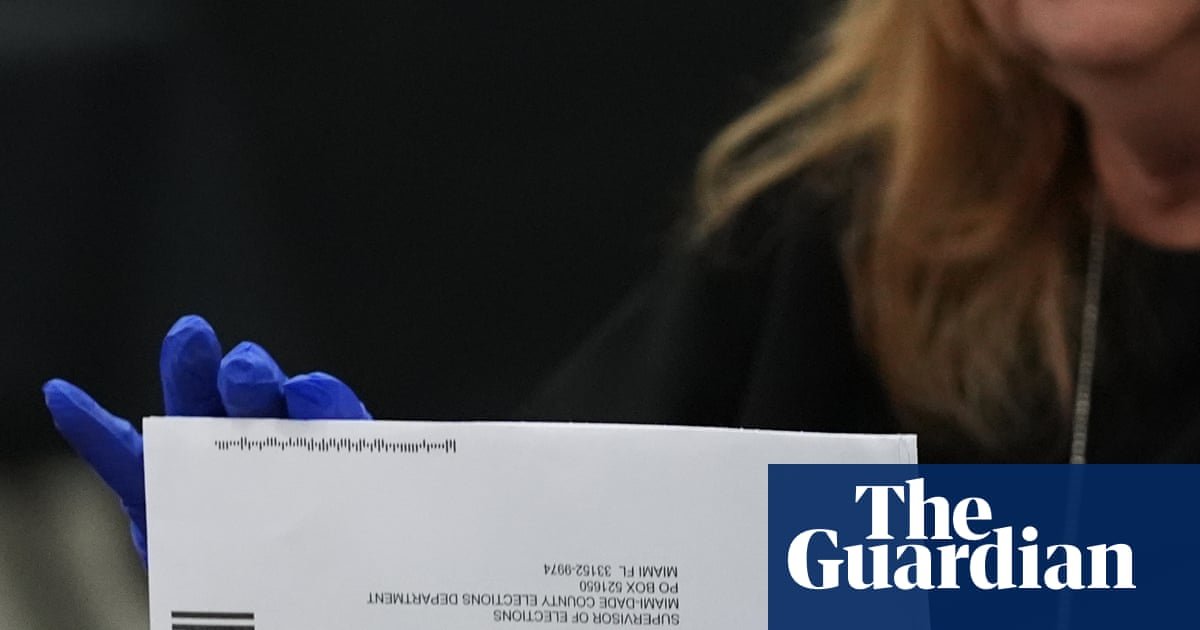
An election worker sorts vote-by-mail ballots at the Miami-Dade county supervisor of elections office for the Florida primaries.
President’s directive stalls for a second time about a week before the first postal ballots are due to be sent out A federal judge on Thursday halted – at least for the moment – attempts to implement Donald Trump’s executive order limiting mail voting.
The president’s directive stalled for a second time about a week before the first mail ballots are due to be sent out for the rapidly approaching midterm elections.
In the US district court, Judge Indira Talwani placed a 14-day hold on the government implementing the order in a case that could be headed back to the supreme court, which on Monday overturned an earlier ruling of hers that had blocked Trump’s order from taking effect.
Talwani wrote in her ruling: “Plaintiff states have neither time nor funds to design new mail ballots, seek approval of the new designs, order production of mail ballots, update their own election management systems, train election officials to use the USPS portal and upload citizen data to the portal, all before the midterms.” The latest ruling came in advance of a 3 September hearing after Democrats and voting rights groups refiled their lawsuits to comply with the recent supreme court decision.
The high court’s conservative majority did not rule on the legality of Trump’s executive order.
Still, it said the legal challenges against it that led Talwani to initially freeze it were filed too soon.
Since then, the administration has issued a formal rule intended to govern whether the US Postal Service will deliver states’ mail ballots – effectively restarting the legal fight.
The whipsawing legal battle has major ramifications for the midterms.
Nearly one-third of Americans vote by mail and election officials contend there is not enough time to revise their systems to comply with the new postal service directives.
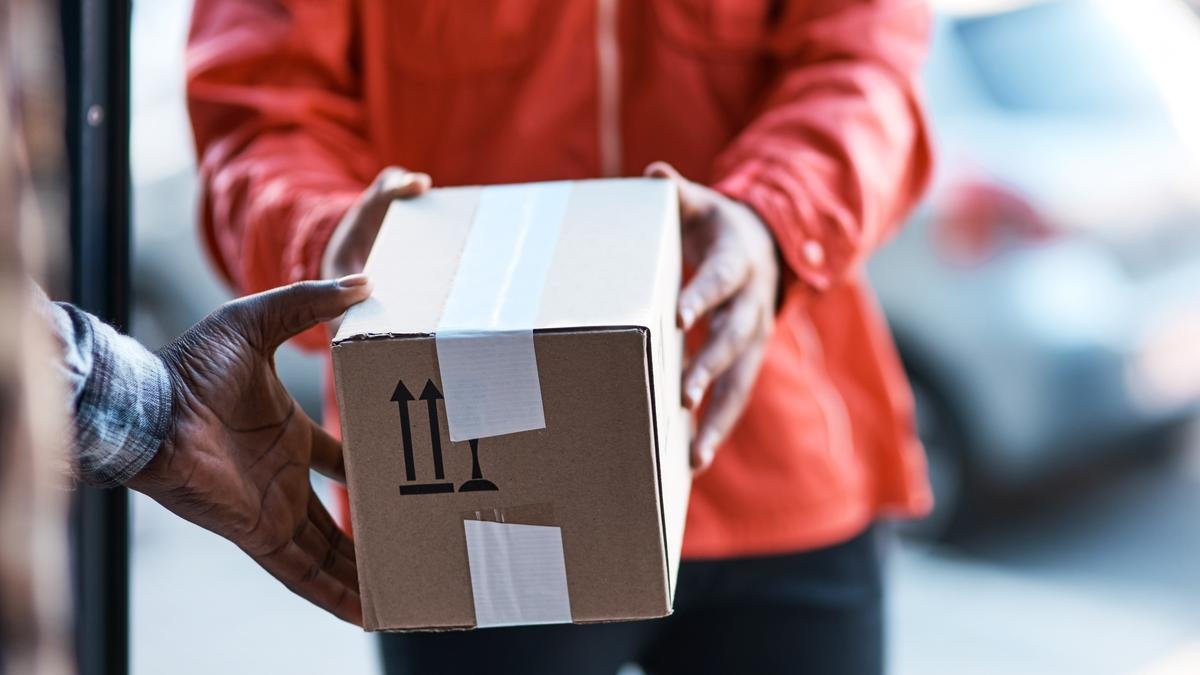
The postal service says it will not deliver mail ballots unless states provide a list of voters who should receive them and format the envelopes in a certain way.
Democrats and voting rights groups contend the demand is unconstitutional.
The constitution, they note, grants states and, in some cases, Congress the power to make election rules – not the president or postal service.
That reasoning led courts to block Trump’s first executive order, issued last year, that sought to change election procedures, such as requiring documentary proof of citizenship to register.
The president has long targeted mail voting – even though he uses it himself – and falsely blames the system for his 2020 election loss.
A report by the Brookings Institution published in 2025 found that mail voting fraud occurred in about four cases out of every 10m mail ballots cast.
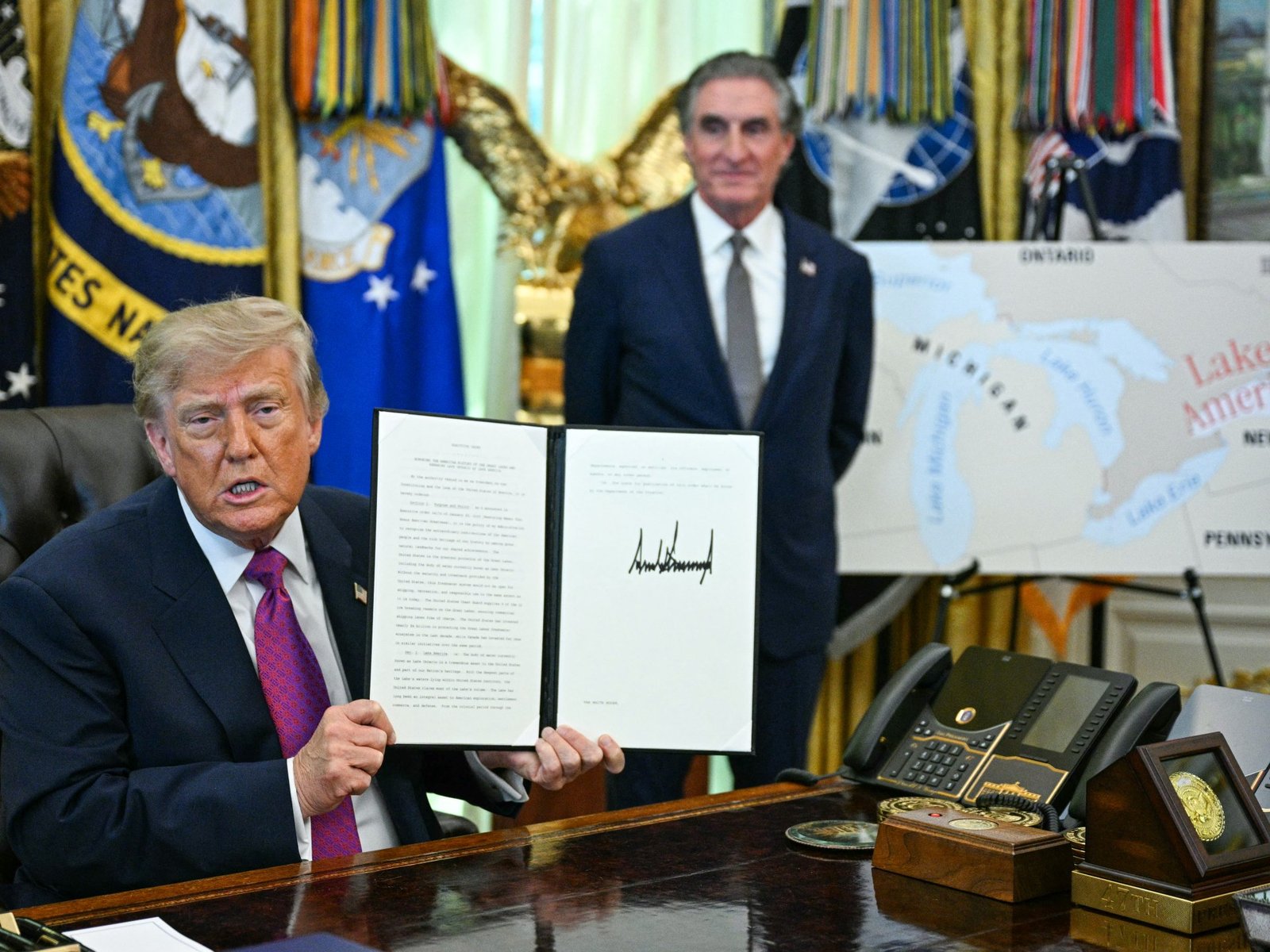
Trump issued the executive order in March targeting mail voting, his second related to elections since he returned to office.
Opponents quickly sued, but the administration argued the claims were premature because it had not issued rules outlining how it would implement the order.
The administration won an initial case in Washington DC, with that reasoning, but Talwani placed injunctions against implementing the order for the November midterms in two separate cases she heard in Boston.
The supreme court’s conservative majority on Monday struck down one of those holds, finding it was premature.
Talwani, nominated to the bench by Barack Obama, removed the second injunction on Wednesday.
The plaintiffs then moved to refile their cases, citing the postal service’s publishing of its final rule, in hopes of winning a more durable victory.
It is likely the case will again end up in front of the supreme court.
Explore more on these topicsUS politics Trump administration Florida news Share Reuse this content