As an expert in glaciers, I have tracked their accelerating retreat around the world as they melt – and the disasters that can follow.
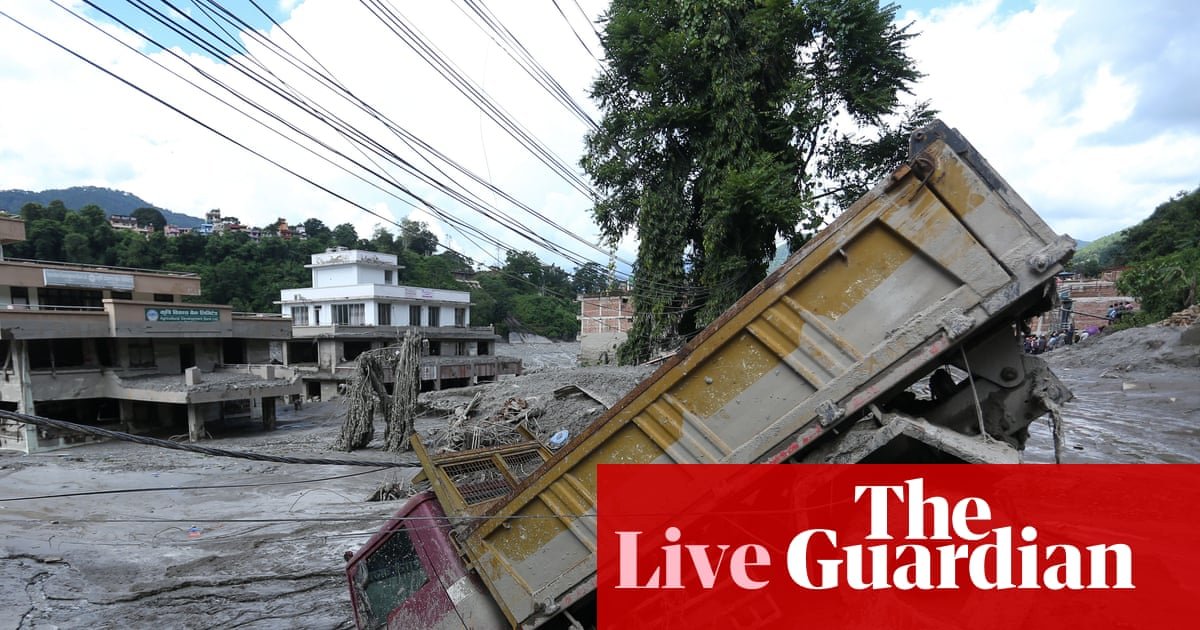
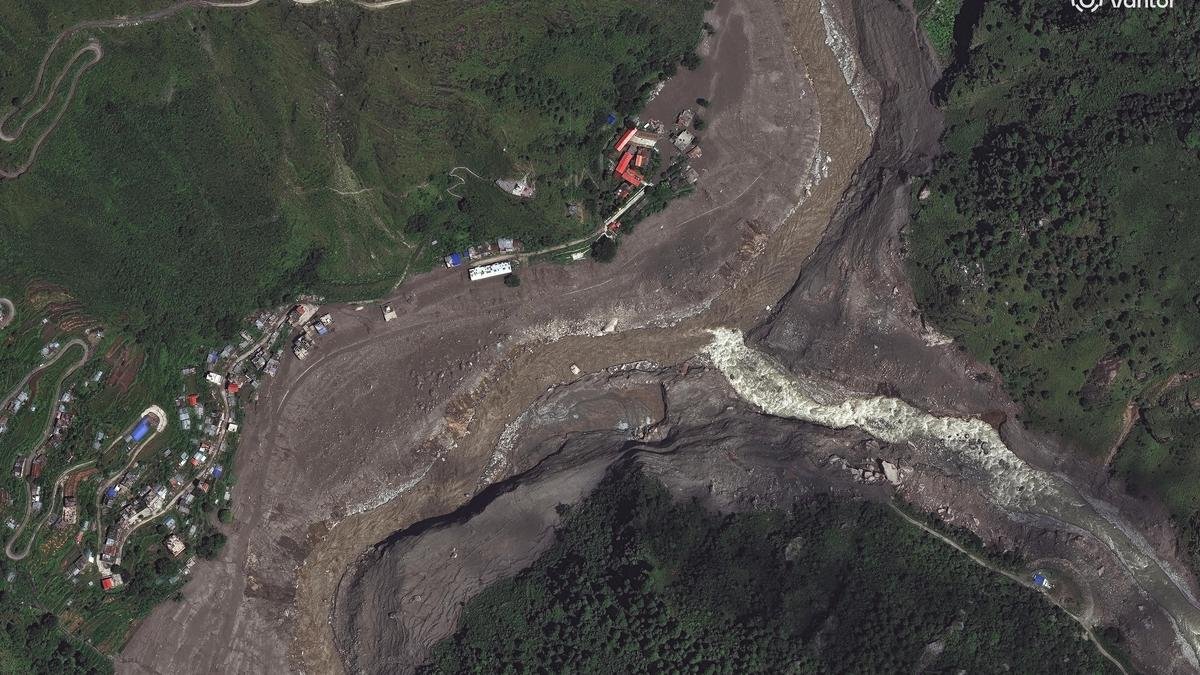
Early analysis suggests the abrupt collapse of a glacier triggered the disaster.
As climate change intensifies, glaciers worldwide are melting – even in high regions such as the Himalayas.
The Himalayas are especially vulnerable, because the steep slopes of many of these very tall mountains are made of permafrost – rock and soil frozen for centuries.
As temperatures rise, these slopes are beginning to melt or destabilise.
If an earthquake or slope failure occurs, it can trigger a sudden and devastating debris flow.
It’s too early to say this was the exact cause.
But we know that the great ice stores of the Himalayas – known as the world’s “third pole“ because it contains the largest amount of snow and ice after the Arctic and Antarctic – are no longer safe.
Read Levan Tielidze’s analysis here Tsunami of dirt: What caused Nepal’s deadly glacial flood?
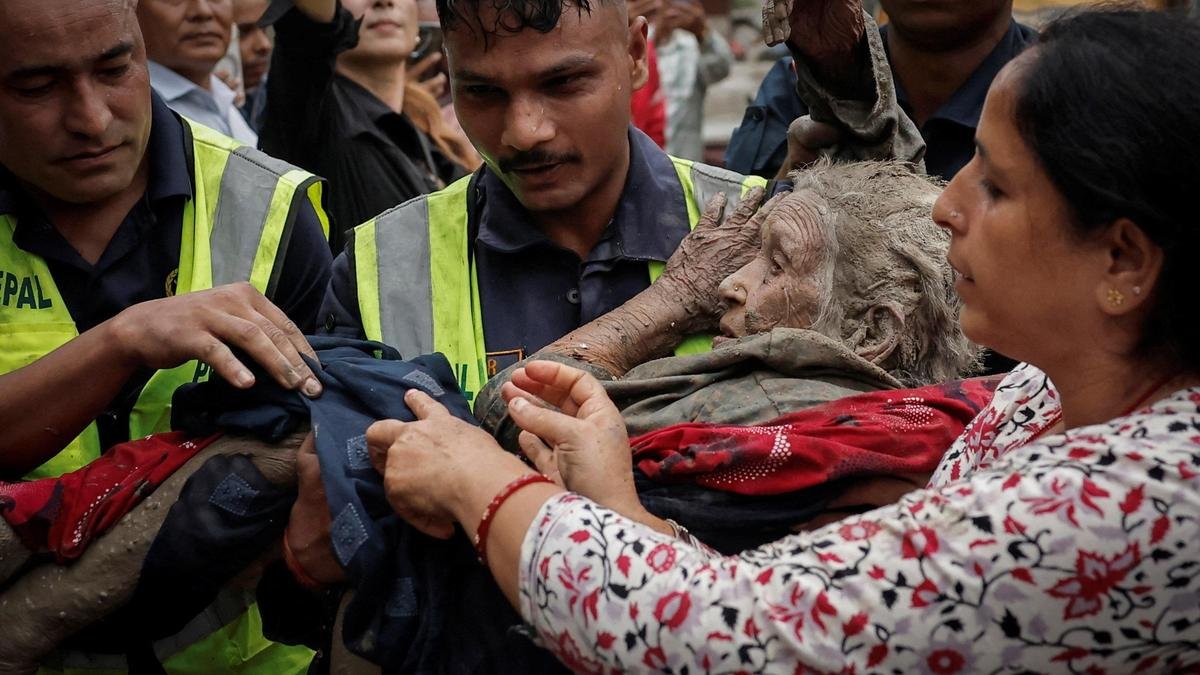
Explore the causes behind Nepal's devastating glacial flood that resulted in over 150 fatalities and widespread destruction.