Updated on: Aug 28, 2026, 07:35:26 IST Edited by Akanksha Verma Prefer HTon Google Share via Copy link A US federal judge on Thursday ruled that sanctions imposed by the Trump administration on AI firm Anthropic were illegal.
The court found that the Pentagon's February order against the artificial intelligence company was meant to punish it for publicly criticising the government.
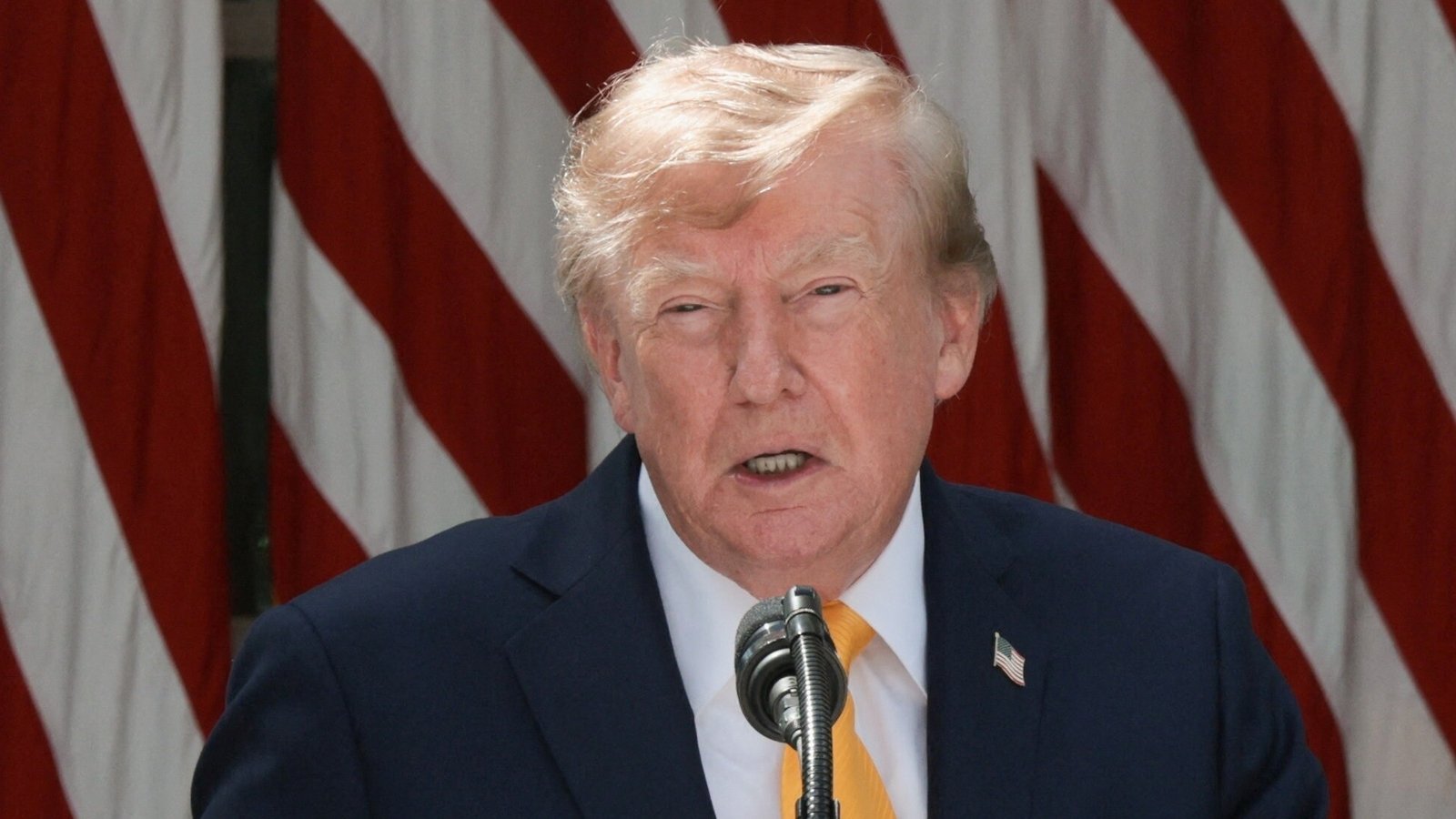
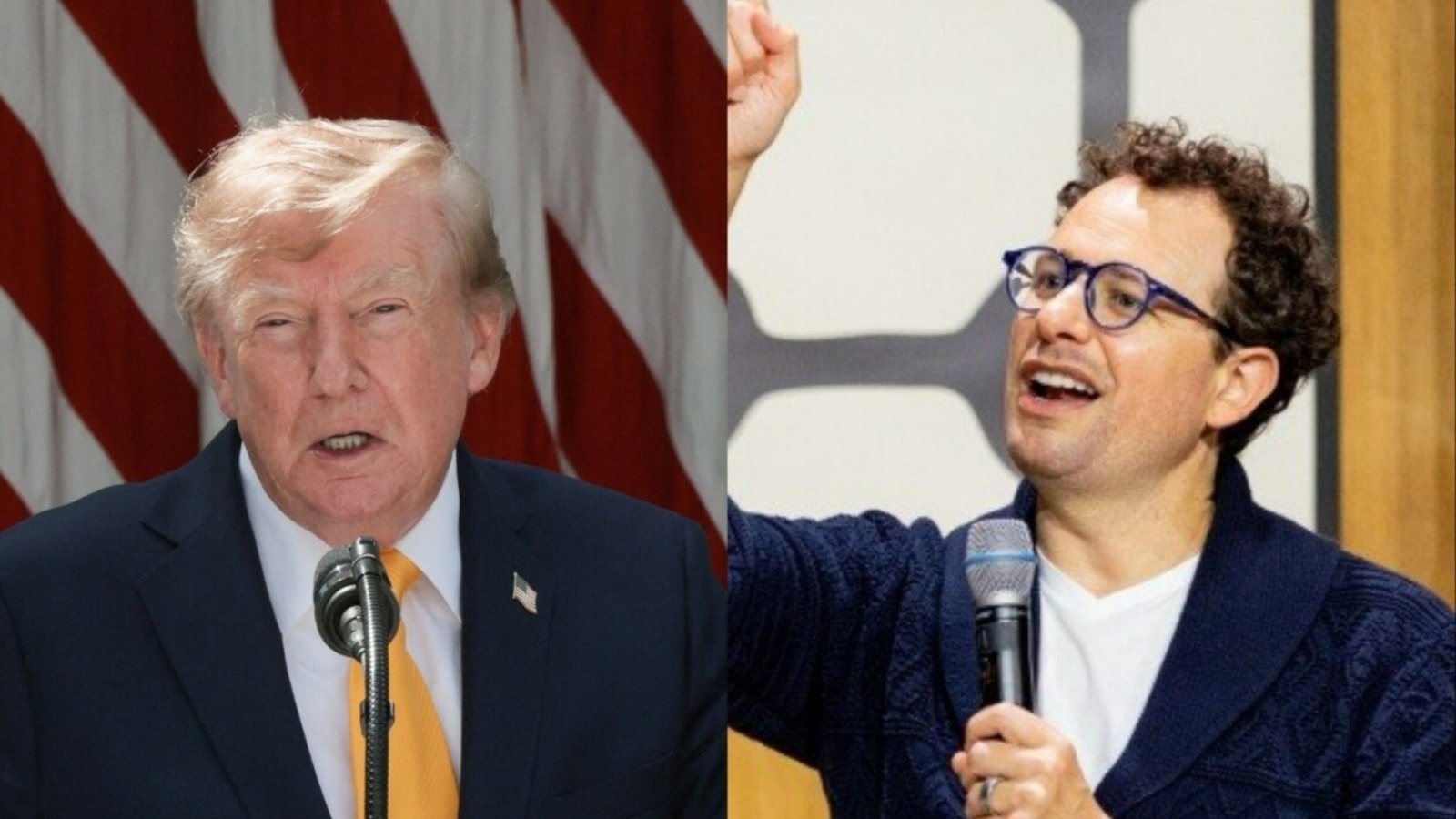
US President Donald Trump and Anthropic CEO Dario Amodei (Agencies) "The empty invocation of national security is not a blank check to punish and retaliate against government critics," news agency AFP cited Judge Rita Lin's observation from her 59-page decision.
Trump administration flags OPT, PERM and J-1 hiring practices in warning to employers Vacating the company's 'supply-chain risk' designation, the judge ruled that the Department of Defense's actions violated the due process clause of the Fifth Amendment.
What is Pentagon vs Anthropic about In February this year, the Pentagon blacklisted Claude maker Anthropic which has been engaged in a tussle with the military over AI safety on the battlefield.
The AI firm was designated a national security supply-chain risk, a tag given to companies which may expose military systems to potential infiltration or sabotage by adversaries.
This ban came after Anthropic refused to allow the military to use AI chatbot Claude for US surveillance or autonomous weapons.
The decision also blocked Anthropic from certain military contracts.
The company's lawsuit in California federal court further said the move to block military contracts could cost the company billions of dollars in lost business and reputational harm.
Anthropic says that AI models are not reliable enough to be safely used in autonomous weapons and that it opposes domestic surveillance as a violation of rights, but the Pentagon says private companies should not be able to constrain military action.
Anthropic first company to be publicly designated supply-chain risk Anthropic became the first US company to be publicly designated a supply-chain risk under an obscure government-procurement statute aimed at protecting military systems from foreign sabotage.
The artificial intelligence firms has a second lawsuit pending in Washington, DC, over a separate Pentagon supply-chain risk designation which could lead to its exclusion from civilian government contracts. (With inputs from Reuters) ABOUT THE AUTHOR Akanksha Verma Akanksha Verma is an Associate Editor at the Hindustan Times in New Delhi.
With an experience of over a decade, she has led newsrooms operations and worked on digital content strategies.
She is adept at covering breaking news situations and holds expertise in doing long-form explainers on national, political and geopolitical issues.
Akanksha has previously worked with The Times Of India, Indian Express Online, News18.com, India Ahead and The Daily Jagran.
She has written on key national and global events, including the Lok Sabha Elections, Assembly Elections, US Elections, US-Iran war, Operation Sindoor, Israel-Palestine conflict, Afghanistan conflict, Ram Temple verdict, Ladakh standoff, Abrogation of Article 370 and Demonetisation.
She holds a BA (Hons) in English from Ramjas College, University of Delhi, and a Postgraduate Diploma in English Journalism from the Indian Institute of Mass Communication (IIMC), Dhenkanal, Odisha.
She is proficient in both English and Hindi and has earned a beginner-level certification in Korean.
Beyond her newsroom responsibilities, Akanksha enjoys reading books that explore gender and social issues.