Some economists say it is now ‘inevitable’ that chancellor will need to raise taxes in the budget next month
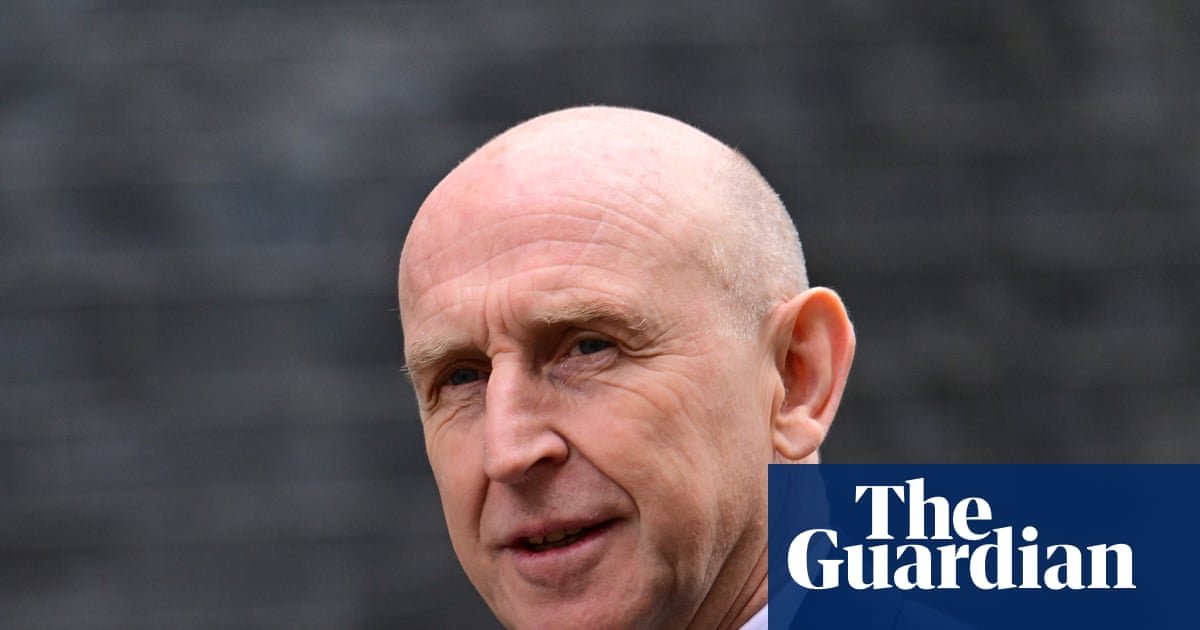
The UK government borrowed a higher-than-expected £18.3bn last month, increasing the pressure on John Healey as he attempts to calm jittery bond markets before next month’s budget.
Some economists said it was “inevitable” that the chancellor would need to raise taxes on 28 October if he is to meet demands for extra spending on defence without further borrowing from investors on international money markets.
Official figures released by the Office for National Statistics on Tuesday said public sector net borrowing – the difference between government spending and income – was £2.9bn higher last month than in August 2025.
It meant that borrowing jumped by £3.5bn above the level expected by the government’s independent forecaster, the Office for Budget Responsibility (OBR), taking the deficit over the financial year so far to £77.3bn – £8.1bn above forecast.
The £18.3bn borrowed in August was also more than the £15.6bn City analysts had forecast.
Healey, the chancellor, has promised to stick within the government’s spending limits, which restrict the amount the Treasury can borrow as a proportion of national income.
The August figures come after the government ran a larger-than-expected £1.8bn deficit in July, when analysts had expected the figure to be zero.
Thomas Pugh, the chief economist at the consultancy RSM UK, said: “The jump in borrowing in August compared to last year sets the stage for what is likely to be a much trickier budget than Burnham or Healey anticipated when they came to power just a few months ago. Another round of tax rises in October now looks inevitable.”
The UK has been among the countries hardest hit by the rise in the interest rate on government bonds amid turmoil in financial markets.
While the cost of financing UK bonds has eased in the last week, the Treasury remains under pressure to show it can reduce its reliance on heavy borrowing to maintain welfare spending.
On Tuesday, the yield – or interest rate – on 10-year UK bonds rose three basis points (bps) to 5.232%, while 30-year bond yields were also 3bps higher at 5.729% in early trading.
Chris Beauchamp, the chief market analyst at IG, said: “The PM and chancellor will be feeling quite claustrophobic today as the walls close in around them. Borrowing costs keep climbing, while borrowing itself is outpacing the teeny rise in tax receipts.”
The Institute for Fiscal Studies, a thinktank, said that since April, the government had spent £50bn on debt interest, £2bn more than forecast by the OBR in March.
“On those forecasts – made before the most recent hikes in government interest rates – debt interest was set to be more than £100bn every year over the next five years,” said Nick Ridpath, an IFS research economist.
Central government spending on social security benefits and pensions climbed by almost £10bn more than in the same period last year – from £135.3bn to £145bn – mostly in response to rising inflation.
The consumer prices indexrose last month to 3.1% and, while the Bank of England held interest rates at its latest meeting last week, the central bank warned that the cost of borrowing may need to rise in the coming months if inflationary pressures persist.
Martin Beck, the chief economist at the consultancy WPI Strategy, said: “Today’s public finance figures are another unwelcome setback for the government ahead of next month’s budget.”
The International Monetary Fund has urged western governments to gain greater control over their public finances to reassure financial markets that they remain safe havens for lenders.
Emma Reynolds, the chief secretary to the Treasury, said the government was committed to improving the UK’s economic growth, “but we can only deliver that growth with fiscal discipline”.
She added: “At a time when debt interest costs billions of pounds that could otherwise be spent on improving lives, we must always know where the money is coming from to pay for public services.”
The Conservative party Treasury spokesperson, Andrew Griffith, accused Labour of losing control of the public finances. “They are borrowing so much they’ve overshot the OBR forecast by an extra £8bn of debt,” he said.
“It takes a rare fiscal incontinence to both have the highest tax take in history and see borrowing still shoot up.”
However, the OBR has said estimates of government borrowing published early in the financial year should be considered provisional and they are likely to be revised.