Australia to impose 'targeted measures' to stop Israeli settler violence but no import ban – video Australia considers new Israel sanctions but won’t join UK in banning trade with ‘settler terrorists’ Penny Wong has concerns about blanket ban announced by UK, France and Canada, but says new ‘targeted measures’ planned over Israeli settlers Follow our Australia news live blog for latest updates Get our breaking news email, free app or daily news podcast Australia is preparing another round of sanctions against Israel, but has stopped short of joining the UK in banning trade with Israeli settlements in the West Bank.
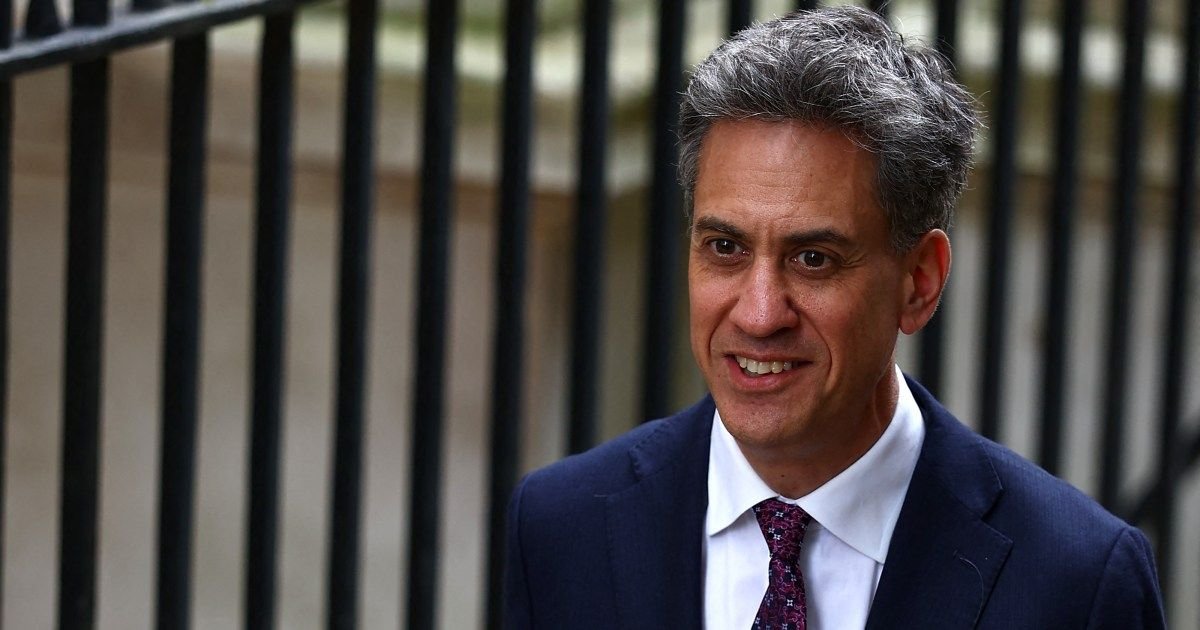
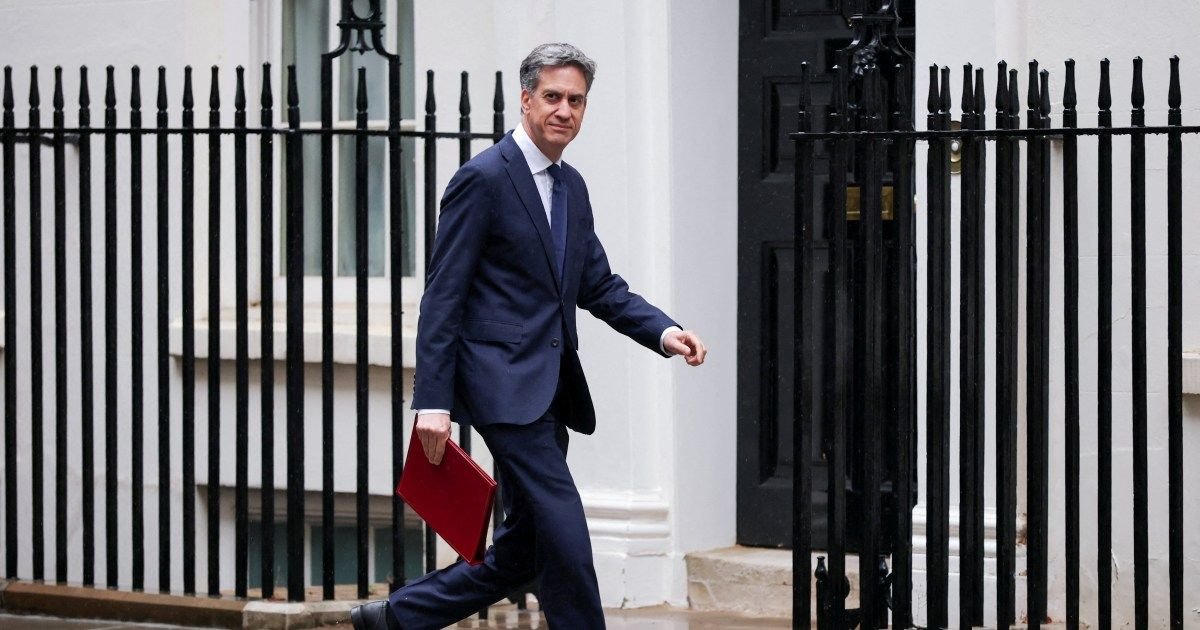
Overnight, the UK government offered its strongest condemnation yet of Israel’s occupation, with the foreign secretary, Ed Miliband, calling efforts to control the West Bank unlawful.
He said his government agreed there was “ethnic cleansing of Palestinians in areas of the West Bank, perpetrated by settler terrorists.” The UK will ban goods from illegal settlements in the occupied territories, and introduce a new ban on arms licenses and other exports.
Sanctions against individuals are also planned.
In a joint statement, the UK prime minister, Andy Burnham; the French president, Emmanuel Macron; and Canada’s prime minister, Mark Carney, said they were taking further action to push for progress on a two-state solution.
Nine European countries have also said they were considering similar measures.
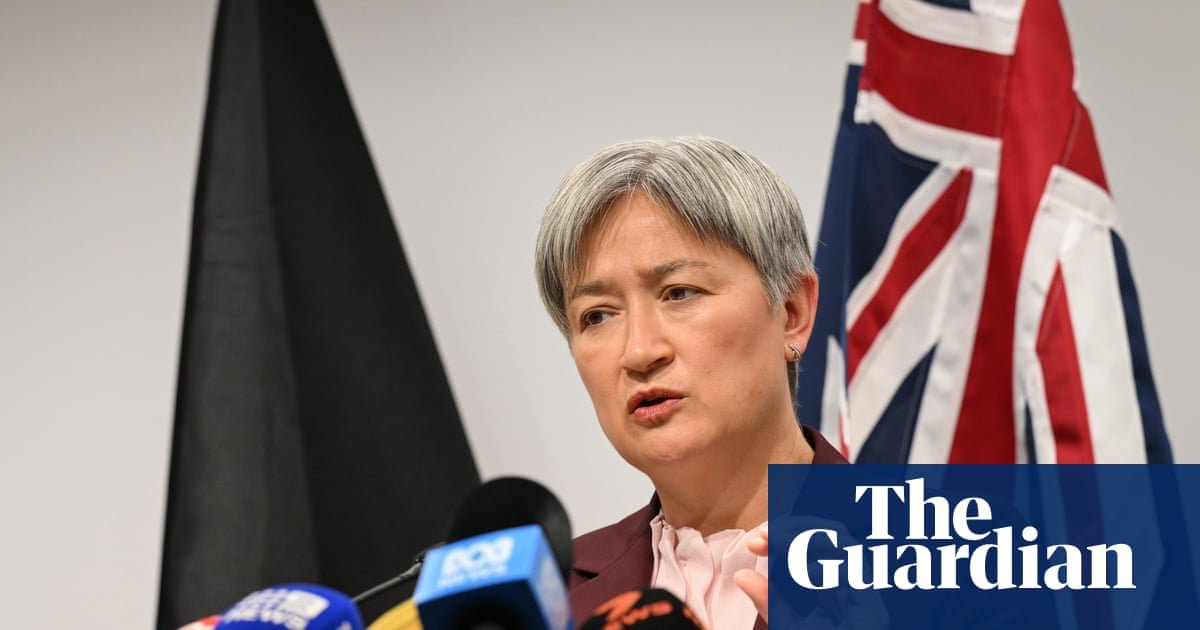
While Australia has previously acted in concert with partners overseas, the foreign minister, Penny Wong, said Australia was not currently pushing for a broad ban on goods produced in Israeli settlements.
“Australia is pursuing further targeted measures in coordination with international partners to deter illegal settlements and settler violence,” Wong said.
“We have concerns about the implementation of a blanket ban and unintended consequences for Australian businesses, for Palestinians and for Israelis, and we will continue to work with partners to protect the prospects of a two-state solution.” But Wong said the Israeli government was “extinguishing the possibility of a two-state solution” through violence and expansion of settlements in the West Bank.
Wong called on Israeli government to stop violence between settlers and Palestinians, including the destruction of property, displacement of families, torture, sexual assault and killings.
The foreign ministers of 12 countries have also released a statement regarding possible sanctions over the settlements.
“Today, Canada, Denmark, Finland, France, Iceland, Ireland, Norway, Poland, Portugal, Spain, Sweden and the UK confirm their intention to introduce national and or support European restrictions on trade in goods with settlements which are illegal under international law, or that they are actively considering these and other measures, in accordance with their national procedures,” the joint statement said.
It comes amid tense relations between Australia and the Netanyahu government in the wake of the 7 October terror attacks by Hamas; the subsequent Israel-Gaza war; and the Bondi Beach terror attack in December.
Australia has instituted financial sanctions and tough travel bans on some Israelis in response to violence in the West Bank.
Sanctions are also in place against two members of Netanyahu’s government, Itamar Ben-Gvir and Bezalel Smotrich.
Wong has been working with the family of the killed Australian aid worker, Zomi Frankcom, on a response to the Israel Defense Forces decision not to open a criminal investigation into Gaza strikes that killed her and six of her colleagues.
Ed Husic, the Labor backbencher who has pushed the government to take further action, said the Israeli prime minister, Benjamin Netanyahu, believed his government could “ride out” statements from countries that criticise it.
“It cannot ride out the impact of sanctions,” he said on Tuesday.
“This is a big seismic move.
“Australia is going to need to do the same because we can’t say we’re for the state of Palestine, which I am very much a support of, and ignore the fact that illegal settlements are undermining the ability for a state of Palestine to emerge.
We need to take action.” Asked about Britain’s moves, Coalition frontbencher Julian Leeser said he was critical of the Albanese government’s foreign policy towards Israel.
“They’re always looking for opportunities to have a go at our democratic ally in the Middle East,” he said.
“I think that our foreign policy should be based on two principles: we should stand for our values, and we should stand with our friends.” The Australia/Israel and Jewish Affairs Council’s executive director, Colin Rubenstein, rejected suggestions Israel and the settlements were preventing peace, instead blaming the Palestinian Authority.
“Sanctioning Israel will only be counterproductive, in encouraging further Palestinian intransigence, and will further draw Australia away from our traditional bi-partisan and beneficial relationship with Israel,” he said.
“If we are serious about pursuing principled foreign policy and encouraging peace, rather than catering to domestic political considerations and appeasing extremist factions, we will withdraw our recognition of the Palestinian state and sanction the PA, not Israel.” New Zealand’s foreign affairs minister, Winston Peters, said he was “deeply concerned” by the deteriorating situation in the West Bank and the escalation in Israel’s actions jeopardised the prospect of “durable peace”.
He stopped short of joining the UK in placing a ban on trade with Israeli settlements in the West Bank, saying New Zealand has not traditionally pursued trade measures to address foreign policy issues.
Explore more on these topicsAustralian politics Israel West Bank Palestine Middle East and north Africa Foreign policy news Share Reuse this content